
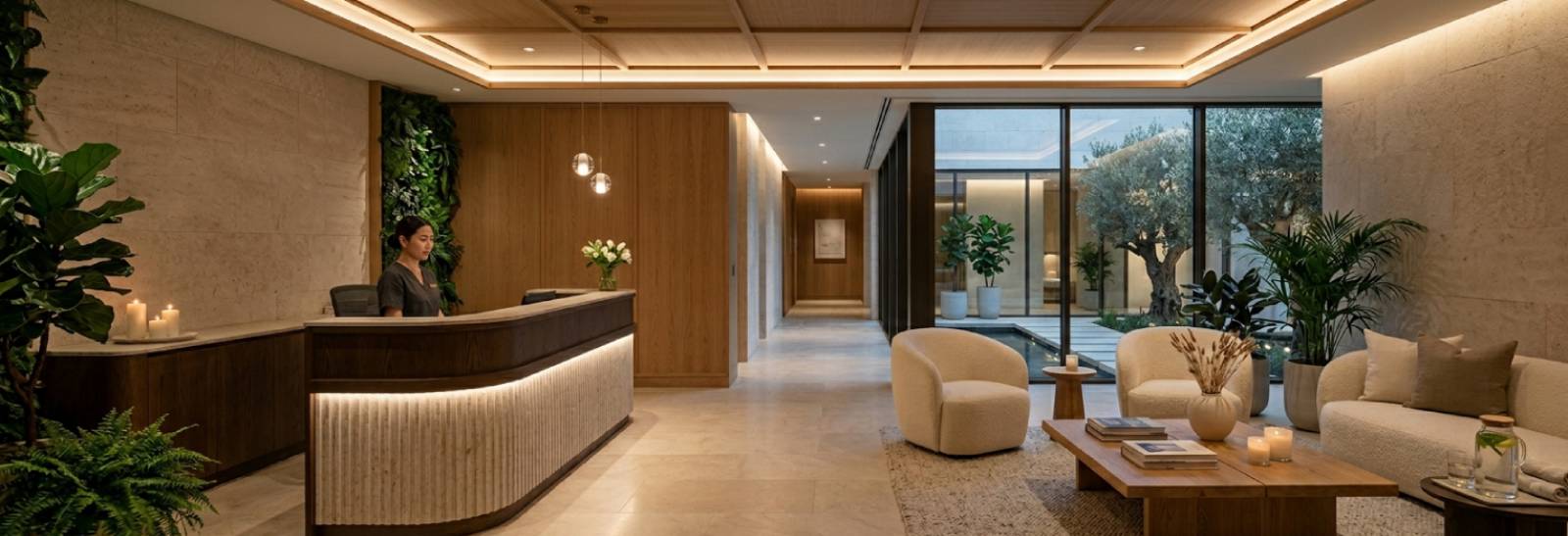
A spa’s interior design is more than just aesthetics—it directly influences client experience, comfort, and operational efficiency. Thoughtful space planning ensures smooth traffic flow, privacy, and a calming environment, all of which enhance satisfaction and encourage repeat visits.
This guide explores how strategic spa layout and interior design decisions impact the overall client experience and operational effectiveness.
Understanding the Importance of Spa Flow
Spa flow refers to the movement of clients and staff through the facility. Proper flow ensures:
- Client comfort: Easy navigation reduces stress and confusion.
- Staff efficiency: Smooth movement allows therapists to serve clients without disruption.
- Privacy and relaxation: Segregated zones for treatments, waiting areas, and relaxation spaces enhance comfort.
A well-planned layout balances operational needs with client-centric design.
Designing the Reception and Waiting Area
The reception sets the first impression:
- Welcoming design: Comfortable seating, calming colors, and ambient lighting create a relaxing entry.
- Logical flow: Reception should lead naturally to changing areas or treatment rooms.
- Space allocation: Avoid crowding; allow staff and clients to move freely.
A thoughtfully designed reception promotes calmness, ease, and professionalism from the start.
Treatment Rooms: Privacy and Accessibility
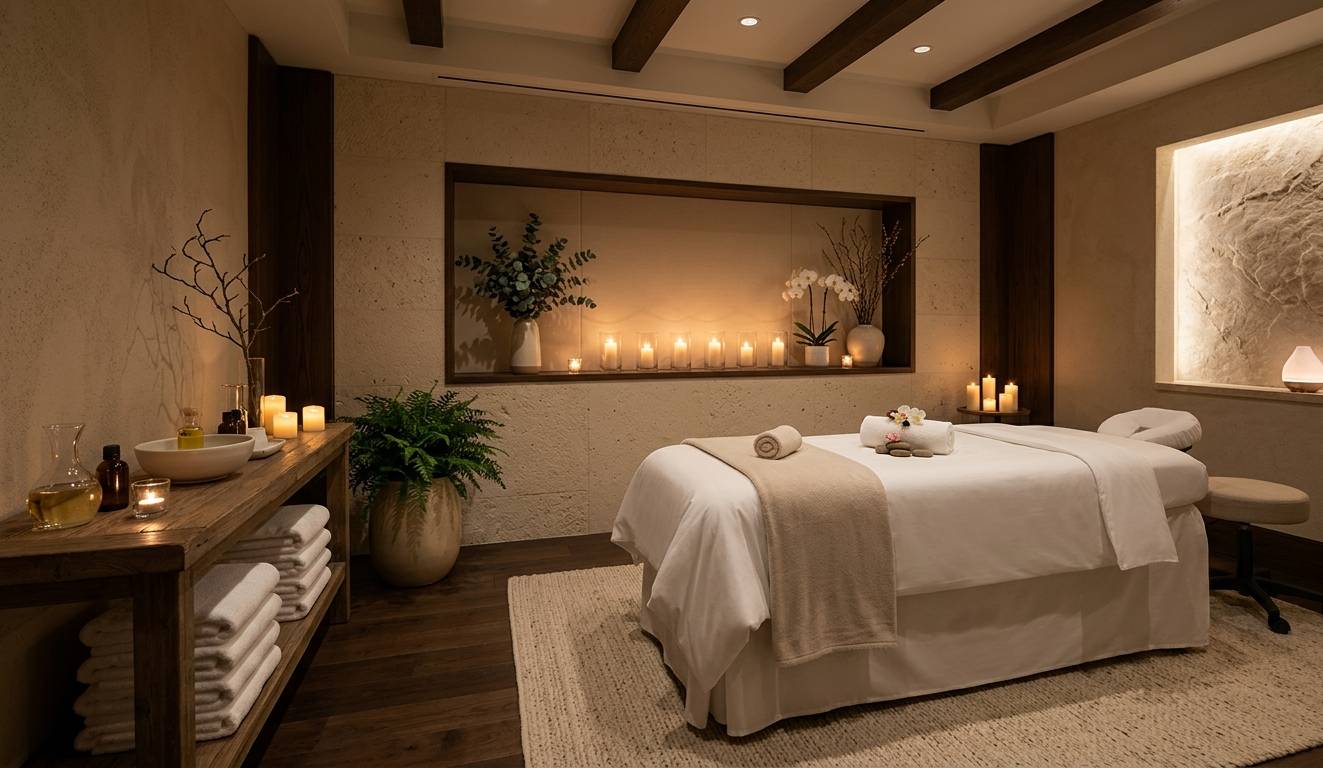
Treatment rooms are the heart of a spa experience:
- Privacy: Soundproof walls and strategic placement prevent disturbances.
- Accessibility: Rooms should be easily reachable without disrupting other clients.
- Comfortable layout: Enough space for therapists to move around comfortably while maintaining client comfort.
The right treatment room design enhances the sense of safety and relaxation, encouraging positive client experiences.
Circulation Paths and Flow Optimization
Paths connecting different areas influence overall spa efficiency:
- Clear signage: Helps clients navigate without confusion.
- Wide walkways: Prevent congestion, especially during peak hours.
- Logical sequencing: Place changing rooms near showers, then lead to relaxation or treatment zones.
Optimized circulation prevents stress and contributes to a seamless spa journey.
Waiting and Relaxation Zones
Relaxation spaces contribute to the spa’s holistic experience:
- Calming ambiance: Soft lighting, soothing music, and comfortable furniture create a peaceful environment.
- Privacy considerations: Seating arrangements should allow clients to enjoy personal space.
- Strategic placement: Located between high-traffic areas and treatment rooms for smooth flow.
These zones help clients transition from everyday stress to a tranquil spa state.
Storage and Operational Spaces
Functional design extends beyond client-facing areas:
- Efficient storage: Supplies, linens, and equipment should be easily accessible to staff without intruding on client areas.
- Hidden utilities: Mechanical systems and staff zones should not disrupt aesthetics or client experience.
- Workflow integration: Streamlined storage and prep areas reduce downtime and enhance service quality.
Well-planned operational spaces support efficiency and maintain a serene atmosphere.
7. Lighting, Colors, and Ambiance
The overall interior environment impacts mood and perception:
- Lighting: Soft, adjustable lighting promotes relaxation, while task lighting helps staff perform effectively.
- Color schemes: Neutral and calming tones encourage tranquility.
- Textures and materials: Natural materials like wood, stone, and fabrics enhance a sense of warmth and comfort.
Attention to ambiance improves both aesthetic appeal and client satisfaction.
Flexibility and Scalability
A spa layout should accommodate growth and evolving services:
- Modular spaces: Rooms that can adapt to different treatments increase versatility.
- Future expansion: Consider potential additions without disrupting the existing flow.
- Multi-functional zones: Lounges or relaxation areas that can host workshops or events add value.
Flexible design ensures the spa remains functional and relevant as business needs evolve.
Conclusion
Effective space planning is crucial for enhancing spa flow, client comfort, and staff efficiency. Thoughtful interior design—from reception areas to treatment rooms, circulation paths, and relaxation zones—creates a seamless, calming experience that encourages repeat visits.
By considering privacy, accessibility, ambiance, and operational needs, spa owners and designers can craft environments that not only look beautiful but also optimize client satisfaction and wellness outcomes. Proper interior planning truly transforms a spa into a sanctuary of relaxation and rejuvenation.