
In today's fast-paced world, stress and anxiety have become common challenges for many. As a result, people are increasingly turning to wellness solutions that not only address physical fatigue but also support emotional and mental well-being. One of the most powerful and enjoyable methods for achieving this balance is through spa treatments. The benefits of massages, facials, aromatherapy, and hydrotherapy go far beyond the surface—they tap deeply into the psychology of relaxation.
Understanding the Mind-Body Connection
The body and mind are closely interconnected. When you’re physically tense, your mental state suffers, and vice versa. Spa treatments are designed to target both areas. For example, a massage doesn't just relax the muscles; it also encourages the brain to release endorphins, dopamine, and serotonin—neurochemicals that enhance mood, reduce anxiety, and create a deep sense of calm.
Creating a Safe and Serene Environment
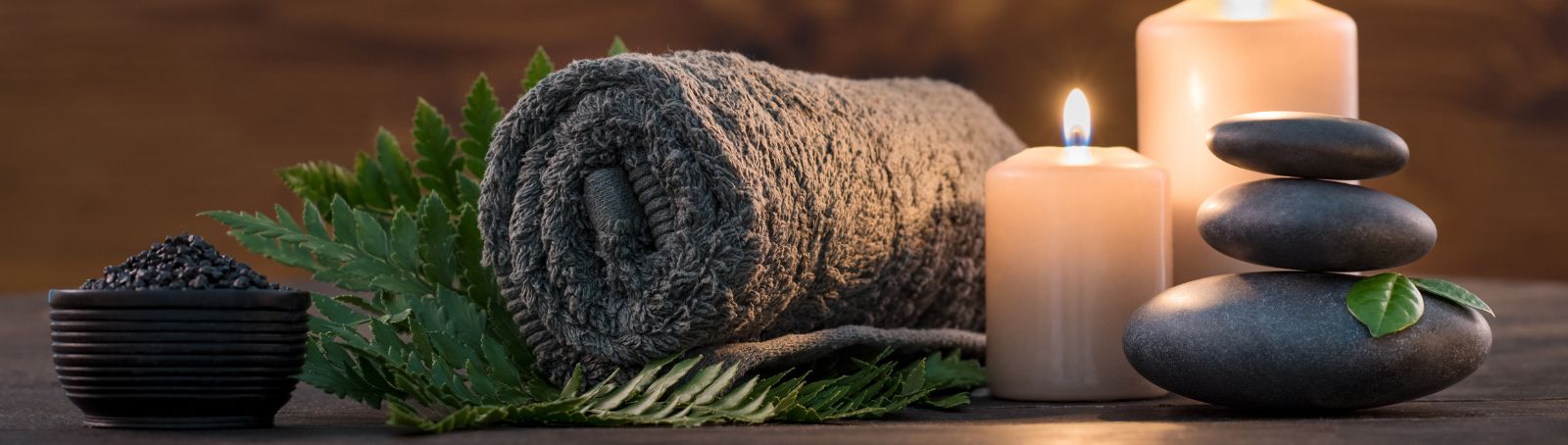
Spas are intentionally designed to be calming spaces. The low lighting, soothing music, gentle scents, and uncluttered surroundings all contribute to a sensory experience that signals the brain to relax. According to environmental psychology, such atmospheres can immediately reduce cortisol levels (the stress hormone), preparing the body and mind for restoration.
Touch Therapy and Emotional Healing
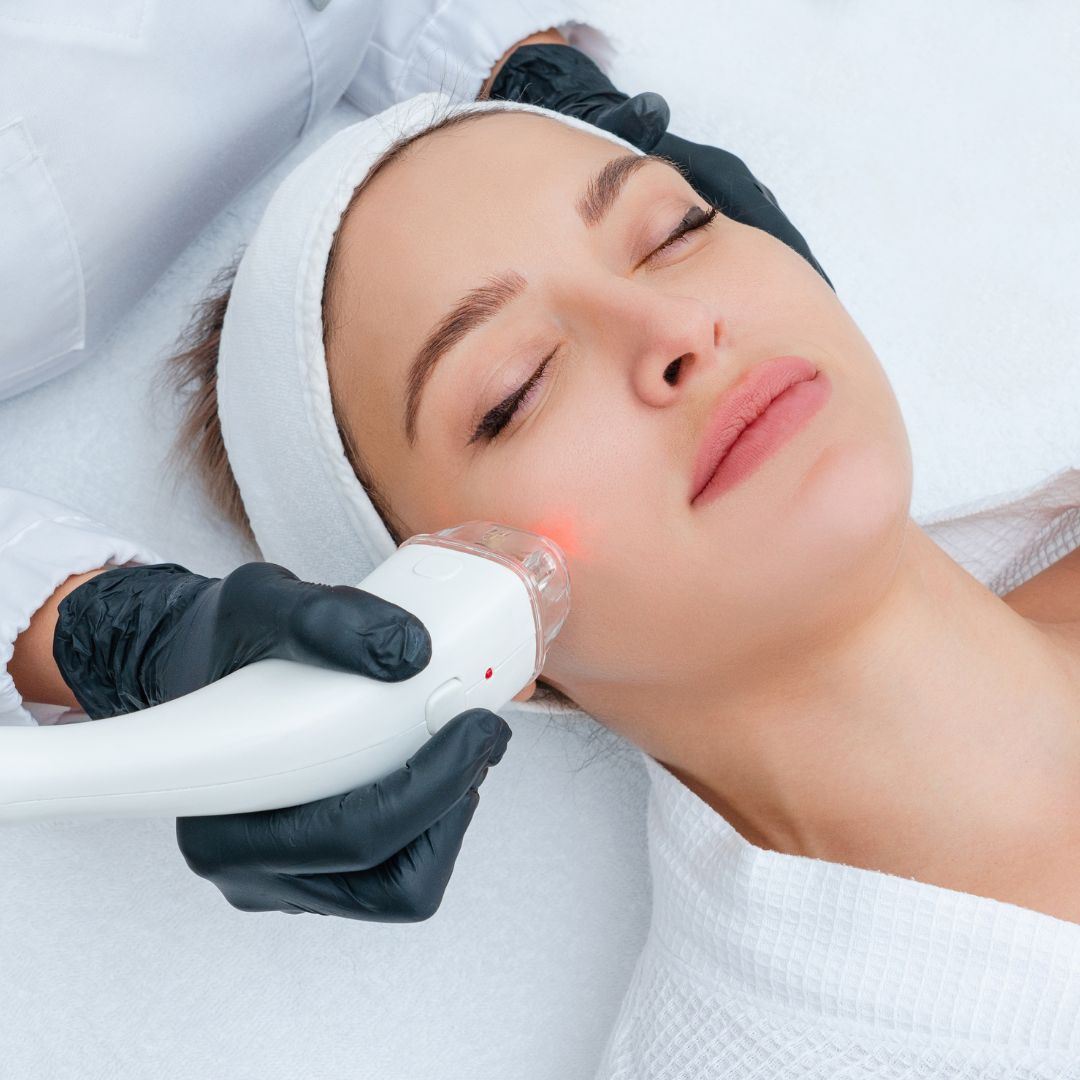
Physical touch has profound psychological benefits. It’s no surprise that massage therapy is known to reduce symptoms of depression and anxiety. Gentle, intentional touch activates the parasympathetic nervous system—the part responsible for "rest and digest" functions—slowing the heart rate and lowering blood pressure. This allows the mind to let go of racing thoughts and settle into the present moment.
Aromatherapy and Mood Enhancement
Aromatherapy plays a crucial role in many spa treatments. Scents like lavender, eucalyptus, and sandalwood are known to have calming effects on the nervous system. Inhaling these essential oils sends signals directly to the limbic system, the brain's emotional center. This can immediately uplift mood, reduce mental fatigue, and improve emotional resilience.
Mindfulness and Mental Clarity
Spa experiences often include elements of mindfulness—such as focusing on the sensation of warm stones, the rhythm of breathing, or the subtle scent of oils. These small moments of presence encourage mindfulness, which has been scientifically proven to reduce symptoms of anxiety and improve mental clarity.
Long-Term Benefits for Mental Health
While a single spa visit can provide immediate relaxation, regular spa treatments can have cumulative benefits for mental well-being. Consistently engaging in self-care rituals trains the brain to manage stress more effectively. Over time, this can lead to improved sleep, better concentration, emotional stability, and a more positive outlook on life.
Final Thoughts
The next time you visit a spa, remember that you're doing more than pampering yourself. You’re engaging in a holistic wellness practice that nurtures both your body and your mind. In a world that rarely slows down, spa treatments offer a much-needed sanctuary for mental clarity, emotional balance, and true relaxation.