
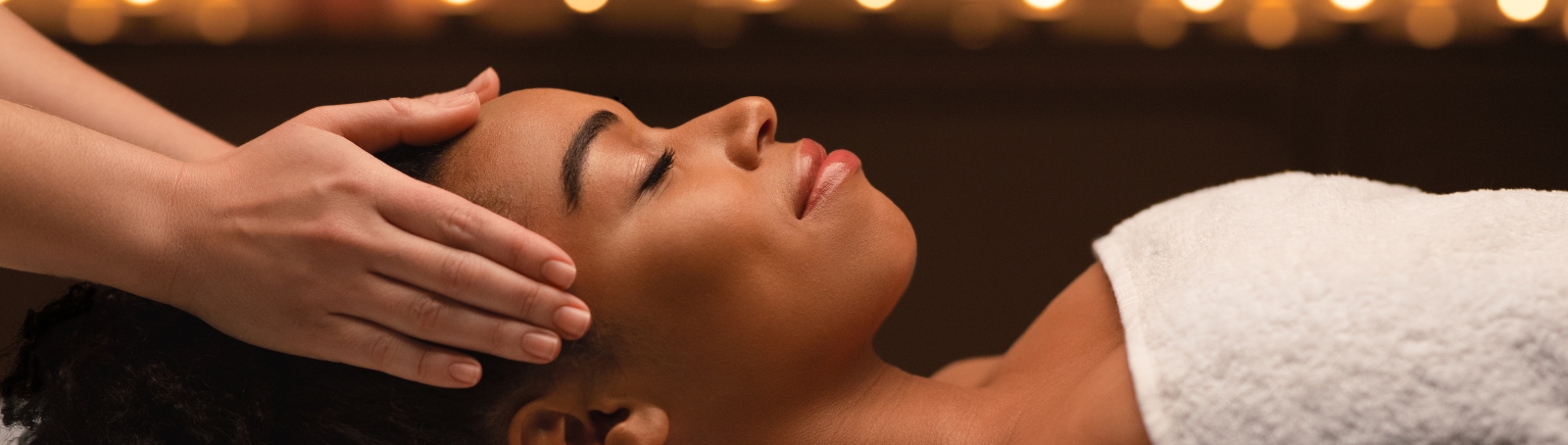
Building an inclusive spa experience is essential for attracting and retaining a diverse clientele. In today’s world, clients come from various backgrounds, cultures, and experiences, and it's important for spas to create an environment that makes everyone feel welcome, valued, and comfortable. Here are some strategies to help spas cater to diverse client needs and create an inclusive, well-rounded experience:
1. Diverse Treatment Options
- Personalized Services: Offer a wide range of services that can be customized to individual needs. This includes different types of massages (Thai, Swedish, hot stone, aromatherapy, etc.), skincare treatments, and wellness therapies. Skin types and personal preferences should be considered to ensure a variety of options that cater to all guests.
- Inclusive Services for All Genders and Body Types: Ensure that massage therapists and spa professionals are trained to work with clients of all body types, genders, and abilities. Providing gender-neutral services, such as unisex robes and welcoming language, can help everyone feel comfortable.
- Specialized Services: Offer treatments that address the unique needs of different populations, such as pregnancy-safe massages, treatments for seniors, or treatments for people with specific skin conditions (e.g., eczema or rosacea).
2. Culturally Sensitive Approaches
- Understanding Cultural Norms: Different cultures may have specific preferences or expectations when it comes to spa experiences, such as the use of certain oils, scents, or massage techniques. Training staff to be culturally aware and respectful will create an environment where clients feel understood.
- Language Considerations: Multilingual staff and translated materials (menus, brochures, signage) can ensure that clients from diverse backgrounds feel at ease. Using simple, clear language and offering services in different languages is key to making people feel comfortable.
- Customizing Treatments Based on Cultural Preferences: Some cultures have specific spa rituals that might differ from others, such as Ayurvedic treatments from India, hot stone therapy from the West, or traditional Thai massage. Having knowledge of, or offering, such treatments can create a deeper connection with clients.
3. Accessibility and Inclusivity for All Abilities
- Wheelchair Accessibility: Ensure that your spa is fully accessible for clients with physical disabilities, including wheelchair-accessible entrances, bathrooms, and treatment rooms.
- Adaptive Equipment and Treatments: For clients with mobility issues, consider providing massage tables or chairs that are easily adjustable. Additionally, training therapists to work with clients who have sensory sensitivities or who may be hearing or visually impaired can make treatments more comfortable.
- Sensory-Friendly Experiences: Not all clients are comfortable with strong smells, bright lights, or loud sounds. Offering sensory-friendly treatments or spaces with soft lighting, low-volume music, and hypoallergenic products can be helpful for guests with autism, sensory processing disorders, or other related conditions.
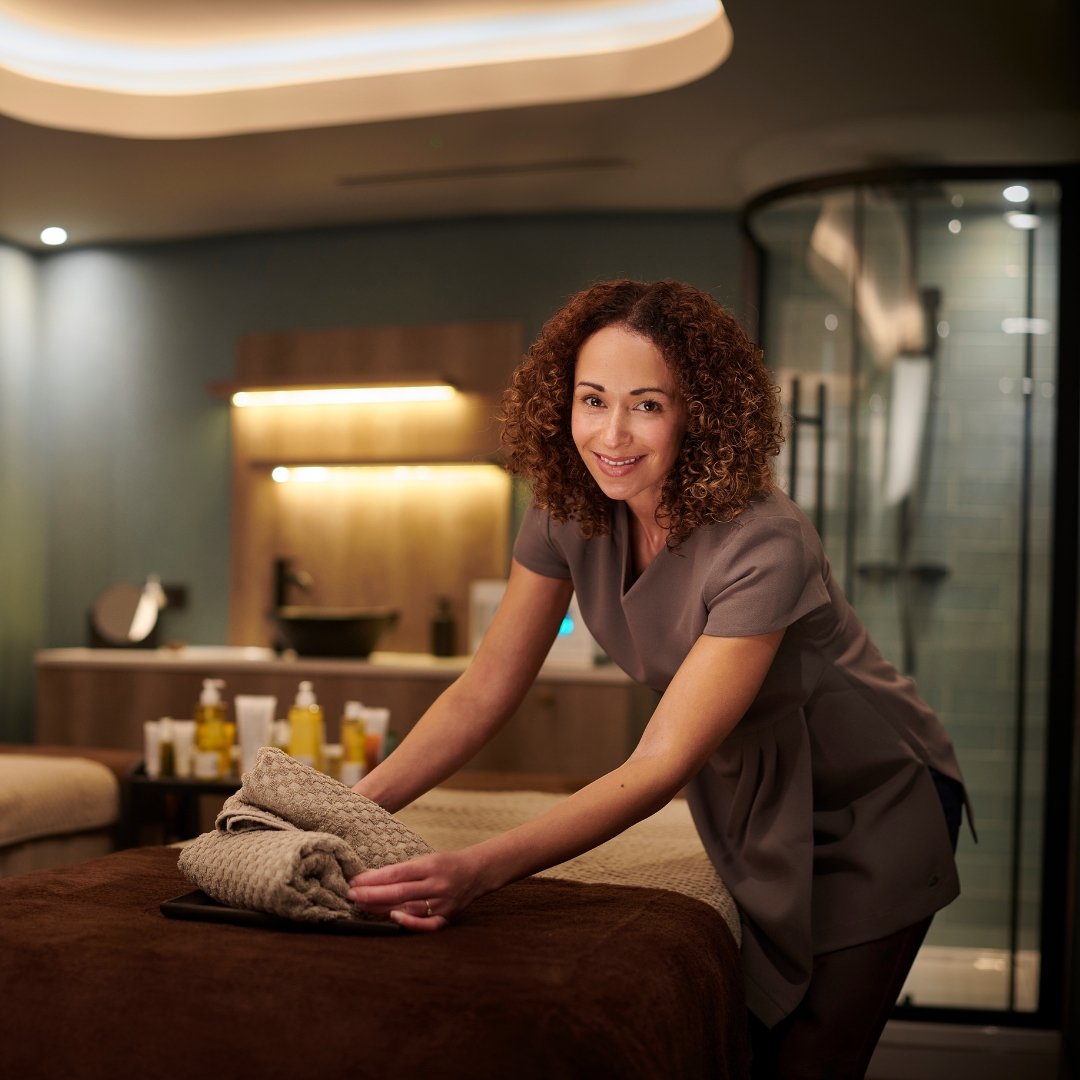
4. Creating a Safe and Respectful Environment
- Non-Discriminatory Policies: Implement and enforce policies that ensure the spa environment is free of discrimination based on race, gender, sexual orientation, religion, or other factors. Displaying a clear, inclusive statement in your spa can make all clients feel welcome.
- LGBTQ+ Inclusivity: It’s important for spas to create a welcoming environment for LGBTQ+ clients. Use inclusive language, and train staff to be respectful of individuals’ pronouns and identities. Offering services like gender-neutral changing rooms or private areas can enhance the experience for LGBTQ+ clients.
- Privacy and Comfort: Respect clients’ privacy by providing private rooms for treatments, changing areas, and consultation spaces. This is especially important for clients who may need extra space or privacy due to body image concerns, gender identity, or cultural practices.
5. Inclusive Spa Menu
- Varied Wellness Treatments: In addition to traditional spa treatments like facials and massages, consider adding services that cater to different wellness needs. For example, provide herbal remedies, aromatherapy for emotional well-being, or mindfulness sessions that are not solely focused on physical relaxation but also mental and emotional health.
- Non-Alcoholic and Special Diet Options: Many clients may prefer non-alcoholic beverages or have dietary restrictions. Providing options like herbal teas, gluten-free, or vegan snacks ensures that the spa is welcoming to those with dietary preferences or health concerns.
- Gender-Neutral Services: Make your spa services more inclusive by offering services like unisex facials or massages that focus on relaxation and wellness rather than traditional gender-specific treatments.
6. Diverse and Inclusive Staff
- Staff Diversity: A diverse staff helps guests feel that the spa is open to all people, regardless of background. Having therapists, front desk staff, and management from a range of backgrounds can create a more welcoming atmosphere.
- Cultural Competency Training: Offer training on cultural sensitivity, inclusivity, and communication. This ensures staff understands how to interact with people from diverse backgrounds and how to make clients feel respected and comfortable.
- Gender-Neutral Uniforms: Provide gender-neutral uniforms or allow staff to wear attire that makes them feel comfortable. This fosters an inclusive environment for both employees and clients.
7. Price Transparency and Accessibility
- Affordable Pricing Options: Offer pricing that accommodates a wide range of financial situations, such as tiered pricing, packages, or discounts for certain groups (e.g., students, seniors, first responders). You can also consider introducing sliding scale options or memberships to encourage a broader audience.
- Discounts or Special Services for Underrepresented Groups: Consider offering discounted services or special wellness days for underserved or underrepresented communities. For example, providing wellness discounts for healthcare workers, veterans, or individuals with special needs shows commitment to inclusivity.
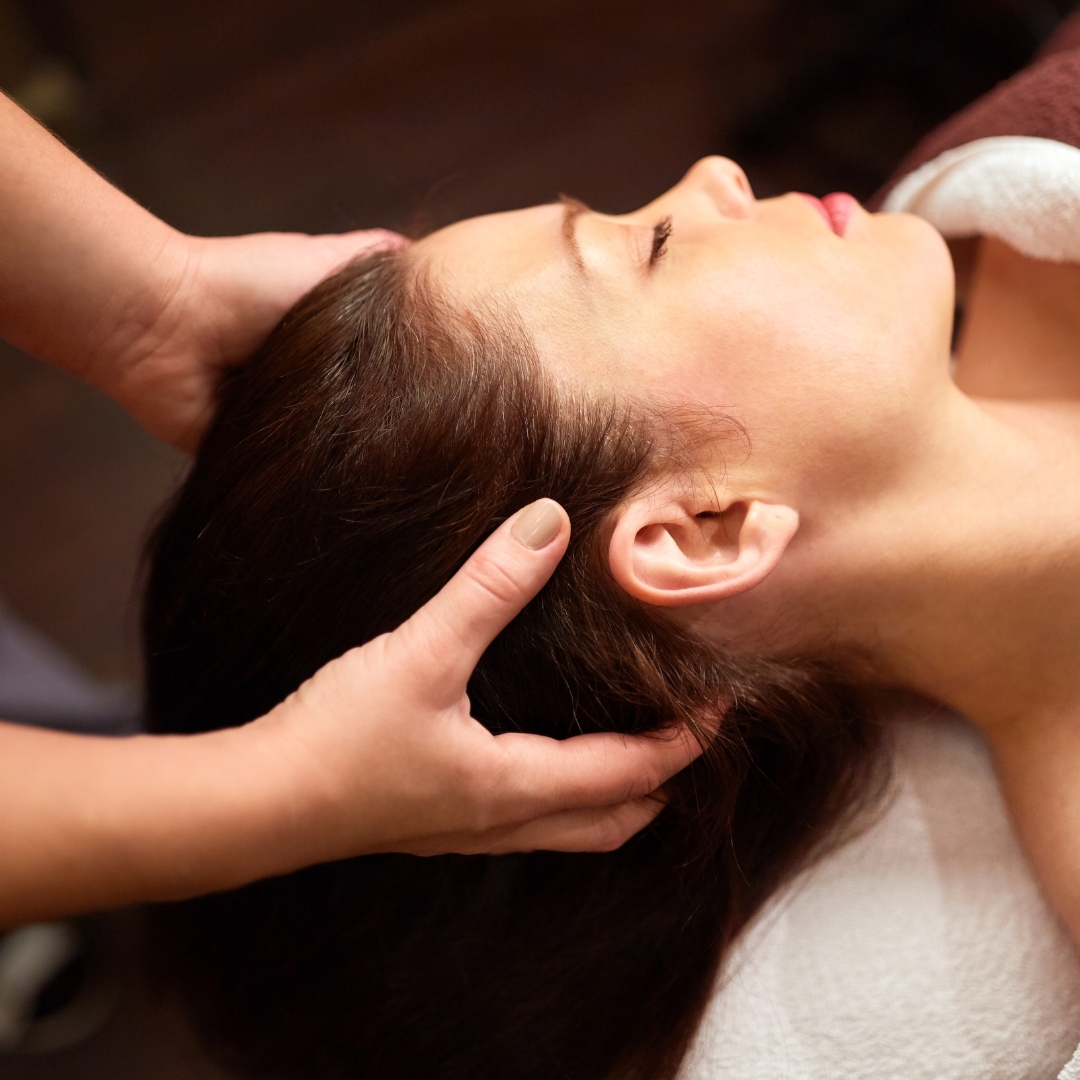
8. Inclusive Marketing and Communication
- Inclusive Imagery: Ensure that your advertising, brochures, website, and social media platforms showcase a diverse range of people in terms of age, body types, ethnicity, and gender. This reflects that your spa welcomes everyone.
- Non-Judgmental Tone: Use language that promotes body positivity, self-love, and wellness for all body types and abilities. Avoid using language that could make clients feel that their bodies are "problematic" or require "fixing."
- Highlighting Diverse Experiences: Share testimonials, success stories, or promotions from a variety of clients, showcasing the diversity of experiences in your spa.
9. Creating a Welcoming Atmosphere
- Decor and Design: Design your spa space with a warm, inviting atmosphere that reflects diversity. Use neutral tones with elements that appeal to a variety of cultures and aesthetic preferences. The ambiance should be calm, inclusive, and not overly gendered or exclusive.
- Music and Scents: Consider having playlist options that cater to various tastes, including soft instrumental music, calming sounds, or soothing tracks from different cultural backgrounds. Offer a selection of scents to accommodate varying preferences for aromatherapy.
Conclusion
Creating an inclusive spa experience is not just about offering a variety of treatments; it’s about fostering an environment that celebrates diversity, ensures accessibility, and respects the unique needs of each individual. By providing culturally sensitive services, ensuring accessibility, respecting client privacy, and promoting inclusivity through staff training and marketing, spas can build an atmosphere that makes everyone feel valued and welcome. Ultimately, an inclusive spa environment not only enhances client satisfaction but also strengthens brand loyalty and broadens your clientele.