
The spa industry in Thailand, known globally for its exceptional service and serene ambiance, is continually evolving. In 2025, interior design plays an even more crucial role, moving beyond mere aesthetics to profoundly impact the client's holistic wellness journey.
Contemporary spa design focuses on creating immersive, sensory-rich environments that not only look beautiful but also attract guests by promoting deeper relaxation, rejuvenation, and connection with nature.
For spa owners looking to innovate or refresh their spaces, understanding these emerging trends is essential to staying competitive and appealing to a discerning clientele seeking authentic and impactful wellness experiences.
Biophilic Design: Bringing Nature Indoors
One of the most dominant and enduring trends in spa design for 2025 is Biophilic Design. This approach integrates natural elements into the built environment to enhance well-being and a sense of connection to nature.
Expect to see abundant indoor plants, living walls, and even indoor waterfalls or reflecting pools. Natural materials like local bamboo, sustainable timber, unpolished stone, and clay are favored for their organic textures and calming effect.
Large windows maximize natural light and offer views of greenery, blurring the lines between indoor and outdoor spaces. This trend aims to reduce stress, improve air quality, and provide a grounding, serene experience that resonates with Thailand's rich natural beauty.
Designing for Longevity and Sustainability
Sustainability continues to be a core principle in spa design, evolving in 2025 to emphasize longevity. This means selecting durable, high-quality materials that are built to last, reducing the need for frequent replacements and minimizing waste.
Reclaimed and non-toxic materials are prioritized, alongside local sourcing to reduce environmental footprint and support regional craftsmanship.
Energy-efficient systems, such as heat recovery technology, smart lighting, and water conservation methods, are integrated not just for eco-friendliness but also for long-term operational cost savings.
A timeless, elegant aesthetic using natural palettes ensures the spa remains relevant and inviting for years to come.
The Pursuit of Privacy and Seclusion
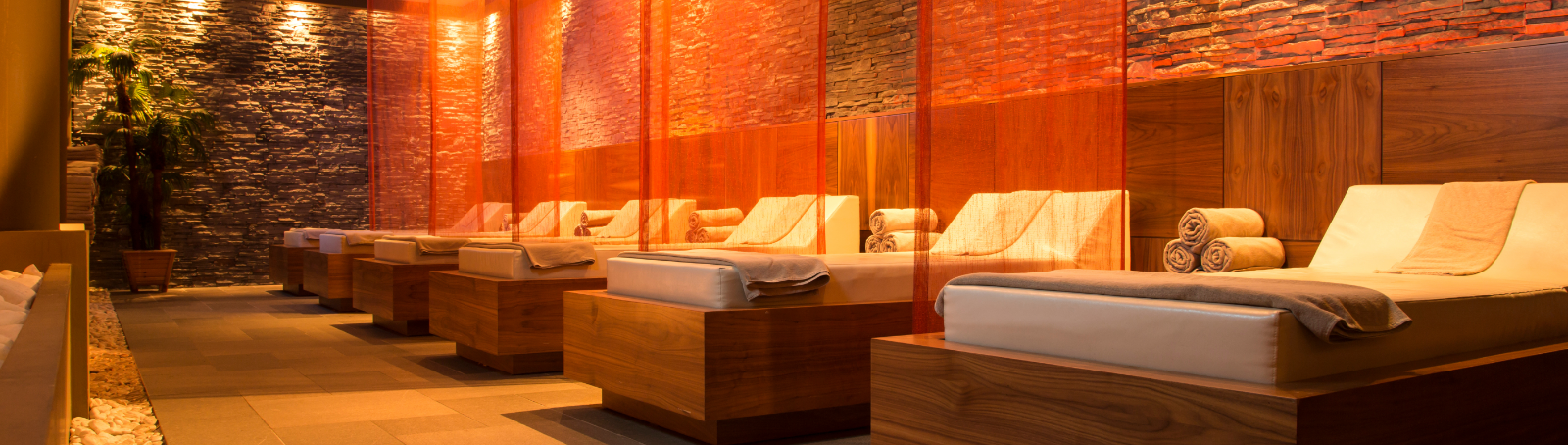
While social wellness clubs are on the rise, 2025 also highlights a renewed appreciation for privacy and seclusion within spa environments. This trend translates into design elements such as private thermal experiences, secluded relaxation pods, and cozy nooks where guests can find individual solace.
Clever use of partitions, elegant sheer curtains, and strategic lighting can create intimate spaces within larger areas. Deep relaxation rooms are designed with individual beds and soft divisions, ensuring a sense of personal sanctuary.
This caters to clients seeking a truly quiet and undisturbed escape from the stresses of daily life, emphasizing that privacy is a new form of luxury.
Multi-Sensory Immersion
Spa design in 2025 is increasingly focused on engaging all five senses to create immersive experiences. Beyond visual aesthetics, this means integrating sophisticated aromatherapy systems that release soothing scents, curated soundscapes featuring natural sounds or calming music, and advanced lighting systems (chromotherapy) that use color to influence mood.
Tactile experiences are enhanced through luxurious textures in fabrics, wall finishes, and treatment tables. Some cutting-edge spas are even exploring haptic feedback in massage beds or virtual reality (VR) elements to transport clients to serene natural settings, creating a truly holistic and transformative experience.
Social Wellness Hubs (with Private Retreats)
A contrasting yet complementary trend is the emergence of Social Wellness Clubs. These spaces are designed to encourage connection and community among guests, offering beautiful lounges, communal thermal areas, and multipurpose spaces where people can relax, socialize, and even catch up on work.
The design here focuses on comfortable, inviting seating arrangements, often drawing on natural elements for a cocooning feel. The key is to create a balance, providing both communal spaces for those who seek social interaction and private retreats for those desiring solitude. This hybrid approach caters to a broader range of client preferences.
Tech-Enhanced Wellness (Subtly Integrated)
Technology is increasingly integrated into spa design, but in 2025, the emphasis is on seamless and subtle integration. This means intelligent climate control systems that adjust to client comfort, smart lighting that adapts to different treatment stages, and state-of-the-art treatment equipment that is intuitively designed.
Wearable devices might offer real-time biometric feedback to personalize treatments, while AI could power hyper-personalized booking journeys and in-session customization. The technology enhances the experience without being overtly visible or distracting, preserving the spa's serene aesthetic. The goal is to elevate comfort and efficiency without sacrificing tranquility.
Conclusion
Spa interior design in 2025 is about creating sanctuaries that cater to the evolving needs of the modern client. By embracing biophilic principles, prioritizing longevity and sustainability, offering both privacy and social connection, and leveraging subtle technological enhancements, spas can craft environments that are not just beautiful but deeply restorative.
In Thailand's thriving wellness sector, a forward-thinking design approach that harmonizes nature, comfort, and innovation will be key to attracting and retaining discerning clientele, ensuring your spa remains a cherished haven of holistic well-being.