

Search engines have evolved dramatically over the past few years, and so have the expectations of wellness travelers and massage-seeking clients. Today’s consumers are digital natives who rely on Google more than ever when booking a spa appointment, searching for the best massage near them, or discovering treatments while planning their vacations. For spa and massage businesses in 2025, ranking on Google isn’t just a marketing strategy – it is the foundation of visibility, credibility, and revenue growth.
SEO for spas has become more competitive as wellness becomes a booming global trend. With digital word-of-mouth, AI-assisted search overviews, Google Maps dominance, E-A-T requirements, and social signals influencing results, spa owners must refine their approach to stay visible. A modern SEO strategy must go beyond keyword stuffing and generic city-based optimization. It requires mastery of user experience, brand authority, content quality, review excellence, localization, and conversion intent.
This article is a deep dive into the most effective SEO strategies tailored specifically for spas, massage centers, and beauty wellness studios in 2025. It explores how search behavior has changed, where opportunities lie for service-based businesses, and how spa brands can position themselves at the top of both Google search and Google Maps results.
Understanding How Spa Customers Search in 2025
The first step to successful SEO is understanding search intent. A potential guest may be a tourist planning their relaxation time weeks ahead or a local resident desperate for a same-day escape from stress. Their searches are emotional, urgent, and strongly connected to proximity and trust.
Today’s most common spa-related search behaviors fall into patterns such as:
Searching for services based on specific needs:
people suffering from back pain often search phrases like “deep tissue massage for back pain near me.” Consumers who are skincare-focused look for “best facial for uneven skin tone.” Each search reflects a personal desire for relief, rejuvenation, or beauty improvement.
Location-based urgency is another major search driver. Tourists in a big city frequently look for “Thai massage near BTS station” or “spa open now near Asok.” Locals use “spa near me” or “massage tonight” as immediate booking triggers. These terms reveal essential SEO opportunities for spas to focus on local visibility and conversion-oriented content.
Branded reputation searches continue to rise. Like restaurant selection, consumers trust top-rated spas with awards and professional recognition. Searches such as “best spa in Bangkok,” “top Thai massage,” or “award-winning spa Paris” show how authority matters in achieving customer confidence.
Wellness planning and travel content also shape early-stage discovery. Searches like “Bangkok wellness weekend” or “best spa packages for couples” often lead consumers to blogs and guides where spas can gain visibility by providing expert content.
Understanding these search patterns helps shape targeted keyword mapping, landing page architecture, and content strategies that align with the user journey from curiosity to booking.
AI and Google Overviews: Adapting SEO for the Future of Search
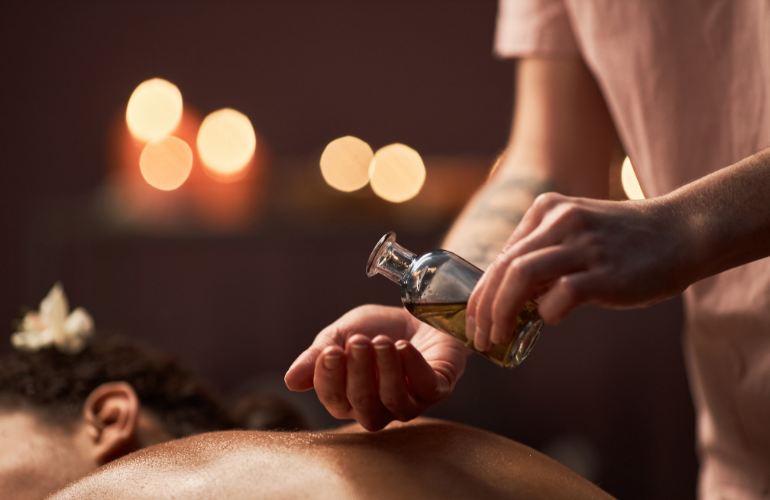
One of the most important Google changes impacting 2025 SEO is the rise of AI-generated search summaries. Google now surfaces answers and recommendations directly in the search results through AI Overviews. These overviews often select top businesses based on authority signals like reviews, structured data, and well-optimized topical content.
Spas can no longer depend on ranking #1 organically alone because AI summaries may appear above traditional listings. Instead, they must strive to become reference-worthy within Google’s AI understanding. This means producing content that establishes expertise on spa treatments, wellness, skincare, and massage therapy techniques. Spas must demonstrate depth to earn Google’s trust.
To be chosen by AI search features, businesses must build a robust topical authority structure. This includes publishing treatment-specific pages, blog articles responding to common customer questions, and updated content with medical, cultural, or scientific explanations where relevant. When AI needs to answer “What is Thai massage?” or “What is a hydrating facial?”, it should find your website as the trusted resource.
In the era of AI search, spas must not only serve customers but educate and inspire them digitally.
Local SEO and the Power of Google Maps for Spa Bookings
Google Maps remains one of the strongest conversion engines for brick-and-mortar spa businesses. When stressed consumers search nearby locations, they rarely scroll far from the map. To win the booking, spas must appear in the top pack, ideally with visually appealing photos, compelling reviews, and clear availability.
Local SEO requires strong Google Business Profile optimization. This involves maintaining accurate information, perfect categorization, appealing treatment photos, seasonal offers, and frequent updates such as adding new services, new therapist certifications, or new awards won. Google rewards active listings with better visibility.
Service area relevance is also key. Cities are segmented into neighborhoods, travel corridors, and commercial hubs. Spas must incorporate hyper-local pages aligned with actual customer behavior, such as “spa Sukhumvit 71,” “massage in Paris 15th arrondissement,” or “deep tissue massage near Marina Bay.” This micro-local content strengthens Maps ranking significantly.
Local backlinks from hotels, wellness blogs, tourism sites, and local magazines reinforce credibility in the city. These listings serve as digital partnerships and approve your location as part of the urban lifestyle ecosystem.
In 2025, local SEO isn’t just technical; it is community positioning.
From Reviews to Reputation Management: Authority is the New Currency
Reputation is the deciding factor for spa bookings. Over 90 percent of spa customers read online reviews before booking, especially for premium and couples packages which require a higher financial and emotional investment.
Google heavily weighs both review quantity and quality when ranking spas. However, in 2025, review authenticity and storytelling matter more than ever. Rich customer experiences shared through photos and long descriptions influence both human decision-making and algorithmic trust.
Spas must create a structured review generation strategy. Guests should be invited to review immediately after their treatment, while they are still feeling relaxed and satisfied. Messaging must be personalized, with subtle encouragement to describe the treatment type, therapist expertise, and overall ambiance, adding keywords that support SEO.
Reputation management also means addressing negative reviews responsibly and professionally. Google respects transparency, and guests appreciate businesses that acknowledge feedback and genuinely seek improvement.
Winning the reputation game is winning the SEO game.
On-Page SEO: Treatment Pages That Convert Curiosity into Bookings
Spas often underestimate the importance of well-structured service pages. A single page listing all massages with short descriptions no longer suffices. Each treatment deserves its own optimized page, with storytelling that explains method, benefits, pressure levels, duration options, prices, and add-ons.
Modern spa customers expect clarity and confidence. They want to know whether a treatment solves their specific concern such as shoulder tension, posture issues, sleep difficulties, aging skin, or honeymoon couple relaxation.
Clear booking buttons must be present within the first screen, supported by trust-building elements like therapist credentials, hygiene standards, and awards. Page loading speed must be optimized, especially for mobile traffic. A slow website is equivalent to an empty reception desk.
Strong on-page SEO guides the customer seamlessly from search intent to booking confirmation.
Technical SEO That Prioritizes User Satisfaction
Technical SEO ensures a website feels as smooth and relaxing as the spa experience itself. A visually stunning website is not enough if it loads slowly or confuses visitors.
Consumers in 2025 want frictionless interaction: instant page loading, responsive design, and one-scroll access to essential information. Technical optimization also directly impacts ranking signals, including Core Web Vitals, mobile performance, and crawlability.
Schema markup has become indispensable for spas. It allows Google to understand treatment types, prices, reviews, and location details clearly. This structured data fuels visibility enhancements such as star ratings, service highlights, and availability notices within search results.
Accessibility also plays a role in expanding reach and improving Google assessment. Inclusive design offers respect for all guests, while showing Google that your business values universal usability.
A technically optimized website is no longer a luxury. It is a necessity.
Backlinks and Brand Authority: Becoming a Trusted Voice in Wellness
A strong backlink profile establishes credibility in Google’s eyes. For spas, acquiring backlinks requires strategic networking within the wellness and hospitality industries. Hotel partnerships, travel blogs, tourism authorities, and lifestyle magazines hold enormous influence.
Participating in wellness events, winning awards, hosting visiting influencers, and offering expert commentary on massage techniques all contribute to natural link-building. Press releases and collaborations with skincare brands further enhance authority signals.
Increasingly, backlinks are evaluated not merely on volume but on editorial quality and contextual value. The most powerful links come from established health and travel publications that reinforce positioning as a top wellness destination.
Brand authority is a digital reflection of real-world trust.
Publishing Content That Inspires, Educates, and Converts

Blog strategy is the artistic and intellectual expression of your spa’s philosophy. Wellness seekers are curious, and content must address their questions convincingly. This requires writing articles that explore massage culture, anatomy, stress relief methods, treatment comparisons, and travel inspiration.
A spa that publishes educational content becomes a teacher. A spa that publishes travel content becomes a guide. A spa that publishes love-themed and couple-oriented content becomes a romantic destination. Every article contributes to topical authority, helping both visitors and search engines understand your expertise.
In 2025, long-form content remains powerful when combined with multimedia elements such as photos, therapist interviews, treatment videos, and serene ambient visuals. Internal linking from blogs to service pages strengthens conversion traffic, while organic backlinks rise naturally as readers cite authoritative resources.
Quality content is the therapist for your website’s long-term health.
Social Media Signals, Brand Engagement & Wellness Lifestyle Promotion
Social media doesn’t directly affect SEO rankings, but it directly affects visibility and brand desirability. In the spa industry, Instagram and TikTok are essential in conveying feelings of peace, luxury, rejuvenation, or transformation. Beautiful storytelling through videos and imagery attracts shares, saves, and external mentions. This leads customers to Google you.
In 2025, spas must be active on the social platforms where their audience consumes inspiration. Featuring review snapshots, influencer visits, customer photos, and behind-the-scenes content creates community and emotional connection. According to recent studies, a large portion of spa bookings are influenced by user-generated content and social recommendation signals.
The more people talk about your spa online, the more Google acknowledges your brand relevance.
Analytics and Conversion Insights for Sustainable Growth
The final pillar of modern SEO is continuous measurement. Spas must analyze the customer journey from awareness to booking, using tools like Google Analytics 4 and CRM data to understand booking behaviors.
Insights reveal which blog articles produce real bookings, which landing pages cause drop-offs, which neighborhoods deliver most guests, and which marketing channels require optimization. Data-driven decision-making helps spas allocate marketing budgets wisely and refine strategies to improve revenue, not just traffic.
SEO is never static. It is the ongoing discipline of evolving to serve customers better.
Spa SEO in 2025 Is All About Trust, Visibility, and Connection
The wellness market is expanding and evolving with digital behaviors. Customers want the best treatment, delivered by trusted hands, and validated by community experiences. In 2025, the best SEO strategy for spa and massage businesses integrates digital excellence with real-world quality.
Ranking high is no longer enough. Spas must become leaders in their cities, storytellers in their content, and guardians of reputation. They must focus on local proximity, passionate reviews, irresistible website experiences, expert educational content, and authoritative partnerships.
The winners of SEO are those who connect with both Google and human emotion. Spas that invest in reputation, authenticity, and modernization today will thrive and rise as beacons of wellness tomorrow.
In a world where stress is everywhere and well-being is no longer a luxury but a necessity, the spa that appears first in search will be the spa that comforts first in life. The future of spa success is found on Google, and the time to optimize is now.