
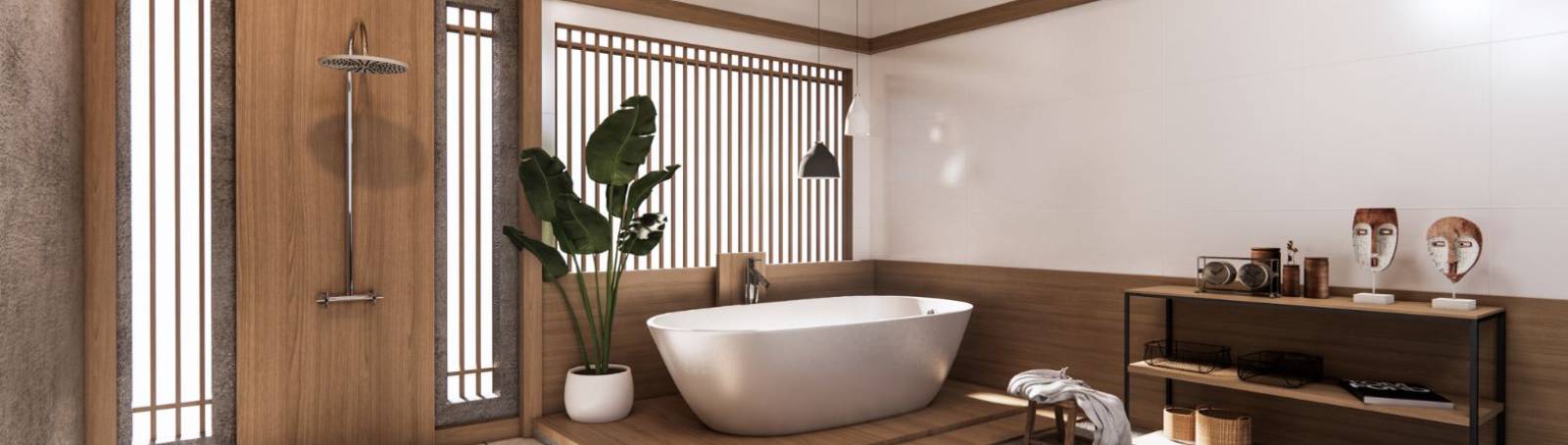
Creating an inviting, tranquil, and aesthetically pleasing environment is essential for any successful spa business. In Thailand’s competitive wellness market, the interior design of your spa can significantly influence a client's overall perception and satisfaction. A well-thought-out spa design not only boosts customer comfort and loyalty but also reinforces your brand identity and enhances operational flow. An environment that feels relaxing and harmonious can help you retain clients by encouraging repeat visits and word-of-mouth referrals. In this article, we explore essential interior design tips that can elevate the client experience and contribute to the long-term success of your spa.
Prioritize a Welcoming Reception Area
The reception is the first point of contact for clients, and it sets the tone for their entire spa experience. This space should radiate warmth, serenity, and professionalism. Soft lighting, calming music, and a comfortable seating arrangement help clients feel relaxed from the moment they arrive. Incorporate elements such as water features, natural wood tones, or traditional Thai art to create a soothing ambiance. The reception desk should be both functional and elegant, with clear signage and a clutter-free surface to project a sense of organization and calm.
Use Calming Colors and Natural Materials
Color plays a powerful role in influencing mood and emotion. Soft, neutral tones such as beige, ivory, and soft greens or blues promote tranquility and relaxation. These hues are particularly effective in spa environments where the goal is to reduce stress and foster peace. Natural materials like bamboo, wood, rattan, and stone connect clients with the natural world and create an authentic Thai-inspired atmosphere. Combining these materials with subtle textures and clean lines produces a balanced and timeless look that clients will appreciate.
Optimize Lighting for Mood and Functionality
Lighting in a spa must strike a delicate balance between mood enhancement and functionality. Avoid harsh, overhead lighting in favor of soft, ambient options. Warm LED lights, dimmers, and candles can create a relaxing environment without compromising visibility. Task lighting should be strategically placed in treatment areas to aid therapists while preserving the soothing atmosphere. Consider incorporating natural light through windows or skylights wherever possible, as it adds warmth and creates an open, airy feeling.
Create Private and Peaceful Treatment Rooms
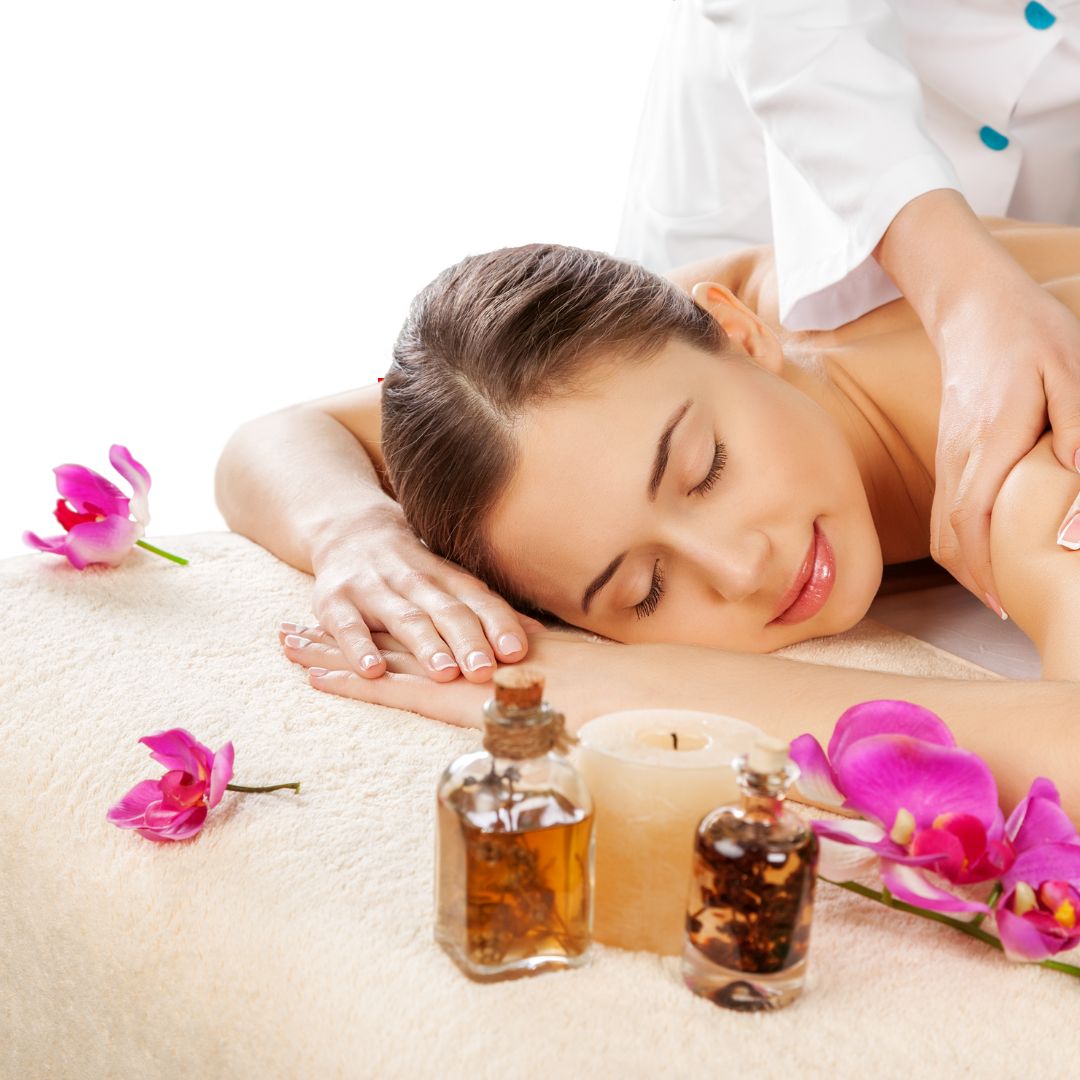
Treatment rooms should feel like sanctuaries where clients can escape the outside world. Soundproofing is crucial to block out noise and enhance the sense of seclusion. Each room should be tastefully decorated with minimalist furnishings, gentle lighting, and high-quality linens. Storage should be discreet and accessible, keeping the room tidy and serene. Scented oils, fresh flowers, and soft instrumental music can further enhance the ambiance. Allow clients to personalize aspects of their experience, such as choosing music or scents, to make them feel more comfortable and cared for.
Incorporate Thai Elements for Cultural Authenticity
Integrating Thai cultural elements into your spa’s interior helps convey authenticity and celebrate the local heritage. Traditional sculptures, silk cushions, wooden carvings, and lotus motifs can be used tastefully to reflect Thai identity. Handcrafted décor and artisanal pieces not only add charm but also support local craftsmanship. These touches create a memorable visual identity and appeal to both local clients and international visitors seeking an immersive cultural experience.
Ensure Smooth Flow and Functional Layout
An intuitive layout enhances both client satisfaction and staff efficiency. Clients should easily find their way from the reception to changing areas and treatment rooms without confusion. Clear signage and a logical flow help reduce stress and enhance comfort. From a staff perspective, proximity between service areas, storage, and cleaning stations minimizes movement and does improve service speed. A seamless layout helps create a sense of order and professionalism that clients will subconsciously appreciate.
Pay Attention to Hygiene and Cleanliness
Interior design should always take hygiene into account. Choose materials and surfaces that are easy to clean and resistant to moisture and wear. Seamless flooring, washable wall coverings, and antibacterial upholstery ensure that your spa maintains a pristine environment without compromising design. The scent of cleanliness and visual tidiness are critical in promoting a sense of trust and relaxation among your clients.
Final Thoughts
Your spa's interior design is more than just aesthetics—it's a critical part of the overall client experience. By creating a welcoming, calming, and functional space, you build an environment where clients feel valued, relaxed, and likely to return. Thoughtful design also reflects your brand, enhances operational efficiency, and sets your spa apart in Thailand’s vibrant wellness scene. With the right design choices, your spa can become a true sanctuary that clients remember and recommend, helping to strengthen your reputation in a competitive market.