
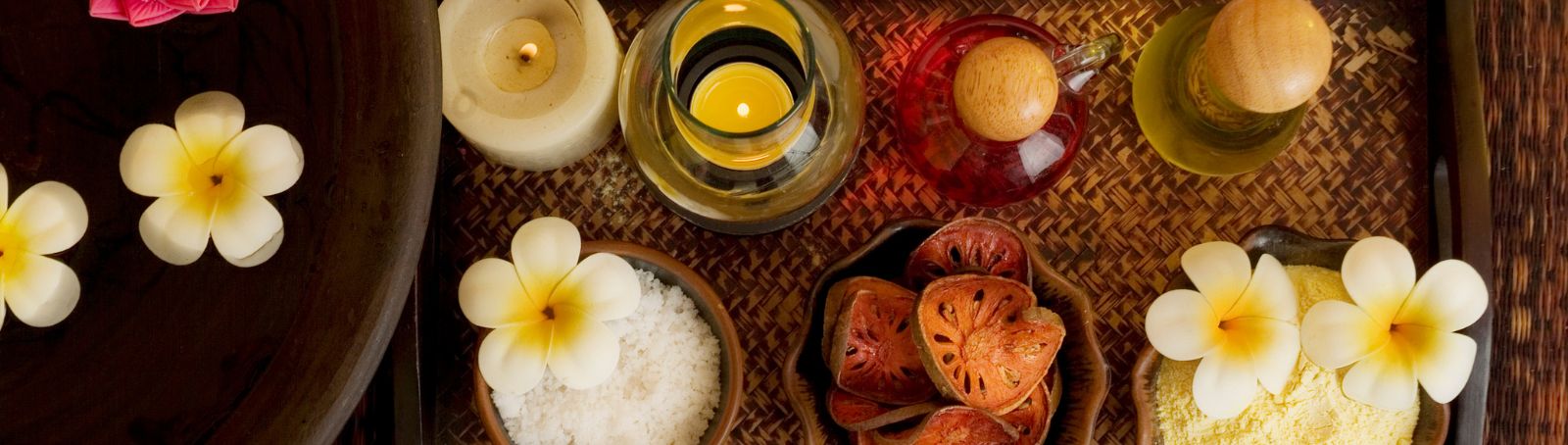
In recent years, spa environments have evolved to prioritize not only relaxation but also the integration of aesthetics and wellness. As spa-goers seek more tranquil and rejuvenating experiences, spa designers have embraced two major design philosophies—minimalism and biophilic design. These design trends are transforming the way spas look and feel, creating spaces that foster healing and enhance the overall guest experience. By staying ahead of these trends, spas can continue to meet the evolving expectations of clients and provide innovative, restorative environments.
1. The Essence of Minimalist Design in Spas
Minimalist design is characterized by simplicity, clean lines, and an uncluttered space. It emphasizes "less is more," focusing on essentials and eliminating distractions. In spa environments, minimalist design can create a serene atmosphere that encourages relaxation and mindfulness. By stripping away unnecessary decor and excessive ornamentation, the space becomes more open and peaceful, showcasing the natural beauty of the materials and treatments, and allowing visitors to feel more at ease and focus on their treatments.
Key elements of minimalist design in spas include:
- Neutral Color Palettes: Shades of white, beige, grey, and soft pastels dominate minimalist spa interiors. These colors help create a calming environment that promotes relaxation and mental clarity.
- Clean, Sleek Furnishings: Furniture is often pared down, with a focus on functional yet aesthetically pleasing designs. Simple wooden or stone tables, soft-textured linens, and subtle lighting fixtures contribute to the minimalist atmosphere.
- Clutter-Free Spaces: A minimalist approach removes unnecessary decor and focuses on wide, open spaces. Storage solutions are often integrated to ensure that everything is neatly tucked away, ensuring the spa remains visually appealing and calming.
2. The Biophilic Design Trend: Bringing Nature Inside
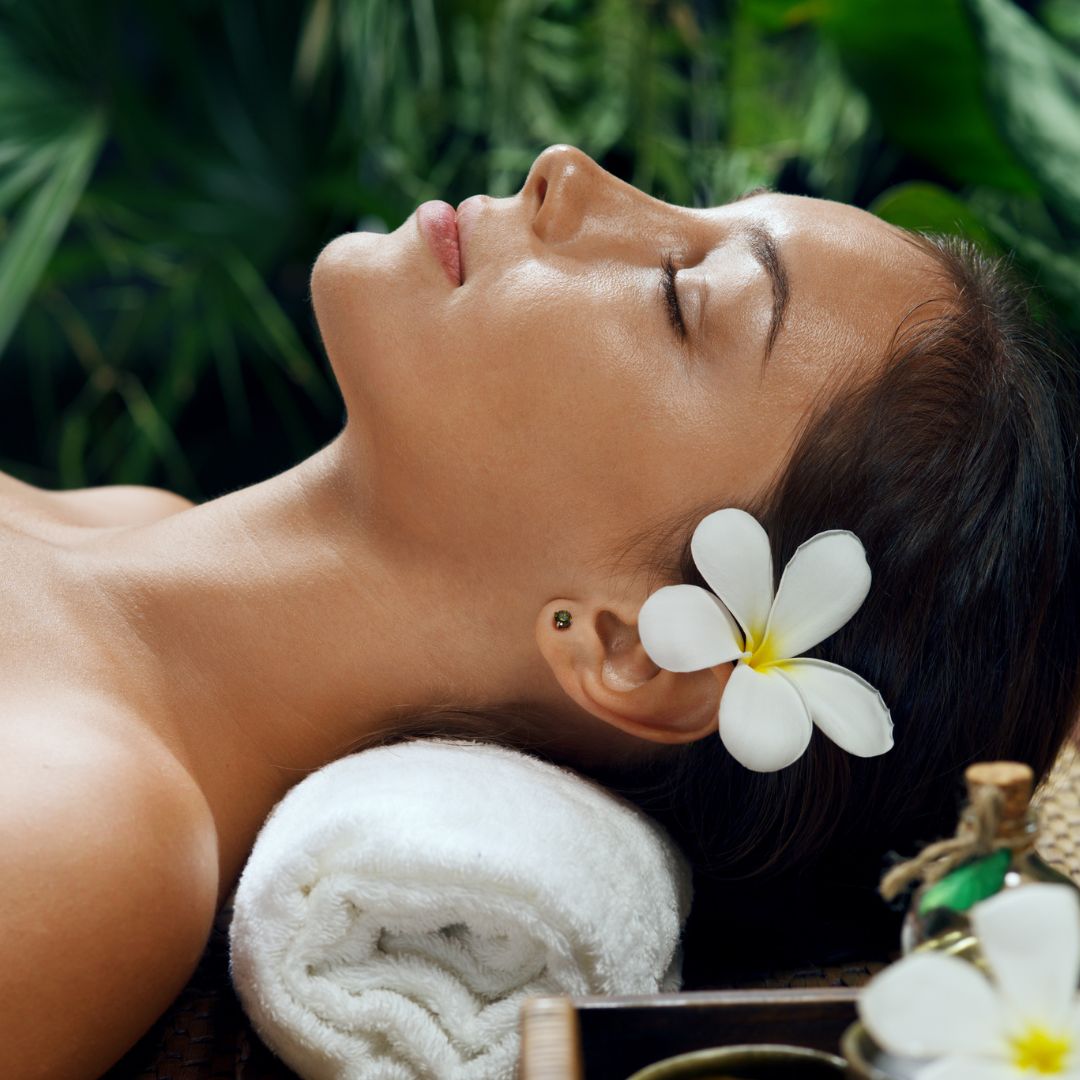
Biophilic design, on the other hand, aims to reconnect people with nature by incorporating natural elements into the built environment. Inspired by the human need for connection to the natural world, biophilic design incorporates plants, natural materials, and natural light into spa spaces. Research shows that being in environments that feature natural elements can reduce stress and anxiety while improving overall wellbeing—perfect for a spa setting.
Incorporating biophilic design into spa environments includes:
- Natural Materials: The use of wood, stone, water features, and plants helps bring the outdoors inside. For instance, wooden floors, stone walls, and bamboo furniture create a warm, earthy atmosphere that promotes a connection to nature.
- Indoor Plants: The presence of greenery, such as indoor plants and vertical gardens, not only adds to the visual appeal but also improves air quality. Plants like ferns, aloe vera, and peace lilies are common in spa settings for their soothing effects.
- Natural Lighting: A design that maximizes natural light can help improve mood and regulate circadian rhythms. Skylights, large windows, or strategically placed light fixtures create a bright and airy atmosphere that mimics the outdoors.
- Water Features: The soothing sounds of water trickling from fountains, waterfalls, or aquariums contribute to a calming environment that enhances relaxation. Water is an essential element in both minimalist and biophilic design, serving as a visual and auditory centerpiece.
3. Combining Minimalism and Biophilic Design for Spa Success
The fusion of minimalist and biophilic design in spas creates a harmonious space where simplicity and nature work together to foster tranquility. By embracing both philosophies, spa designers can craft environments that promote mental and physical wellbeing. The clean and uncluttered nature of minimalism complements the calming, natural elements of biophilic design, resulting in a spa experience that is both visually striking and therapeutic.
For example, a minimalist spa space can be enhanced with the addition of indoor plants, soft natural light, and water features. The calming effect of greenery, the serenity of an open layout, and the peaceful sounds of water combine to create a spa that feels truly rejuvenating.
4. The Impact on Spa Goers
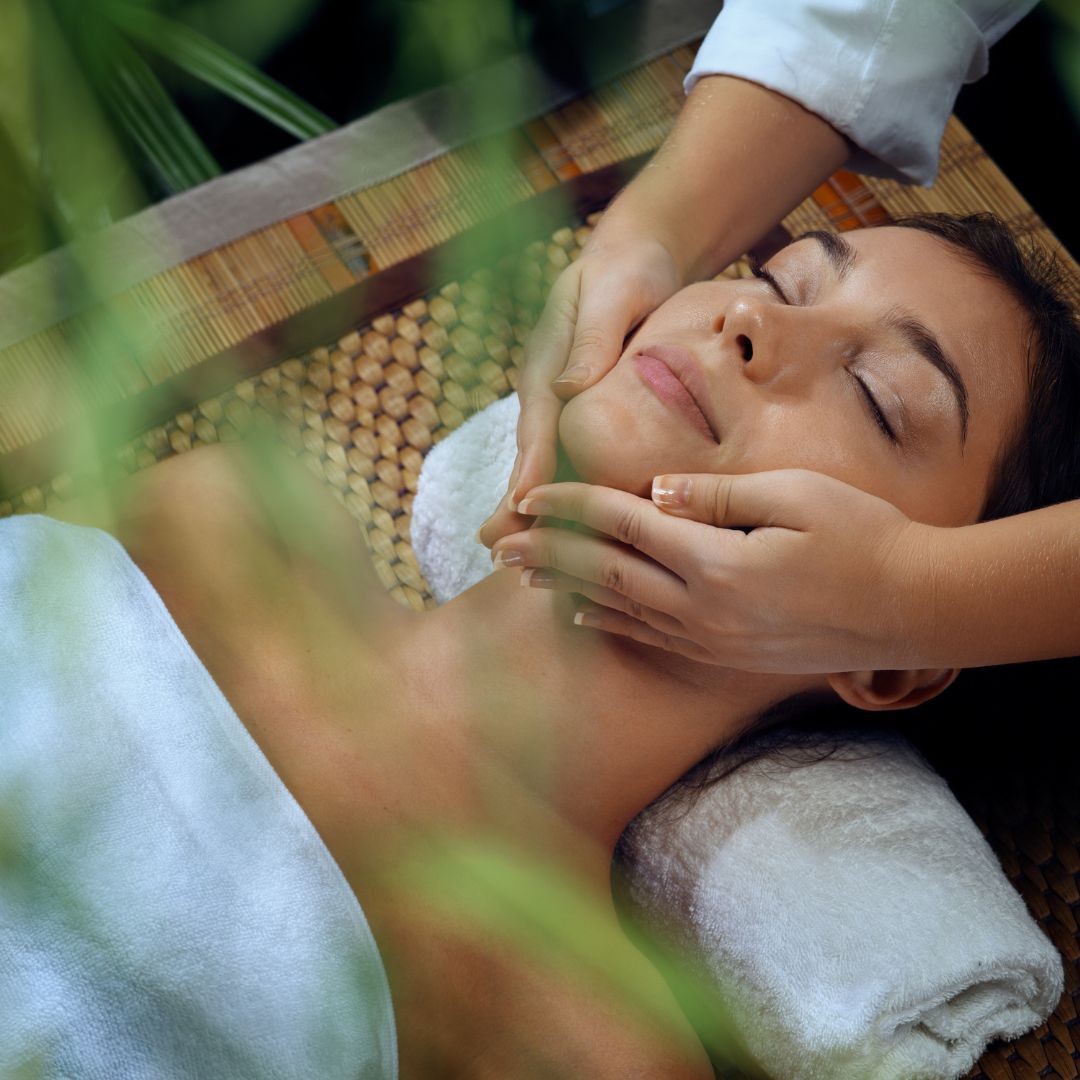
The effects of minimalist and biophilic design on spa-goers are profound. These design elements help promote relaxation, reduce stress, and improve the overall spa experience. The open, airy spaces in minimalist-designed spas invite guests to feel free and at ease, while the biophilic elements bring them closer to nature, creating a sense of groundedness and peace. Together, these design approaches align perfectly with the goals of a modern spa, which seeks to provide not only physical rejuvenation but also mental and emotional wellbeing.
Conclusion
Minimalist and biophilic design are essential trends in modern spa environments. By blending simplicity with natural elements, these design philosophies create tranquil spaces that elevate the spa experience. Whether it's the use of clean lines, neutral colors, indoor plants, or natural materials, these design approaches help promote relaxation and wellness, enhancing both the aesthetic and therapeutic benefits of spa treatments.