
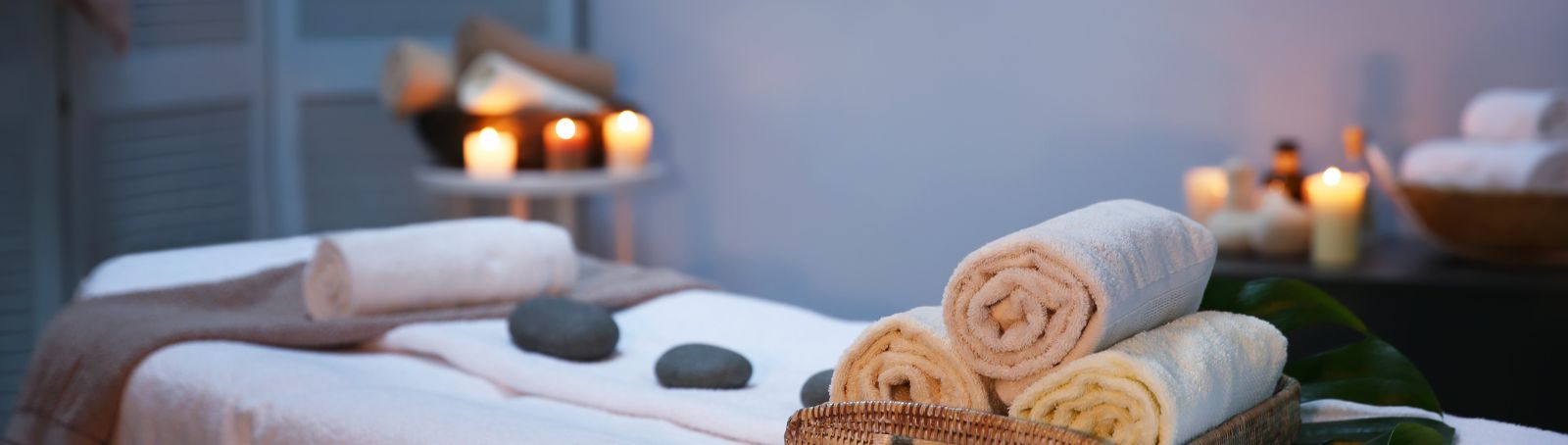
Creating a spa experience that goes beyond relaxation involves engaging all five senses in a harmonious way. A multi-sensory spa experience aims to immerse clients fully, making the environment not just a place for physical relaxation, but also for emotional and mental rejuvenation. By thoughtfully combining sound, sight, touch, scent, and taste, spas can create an experience that deepens relaxation and fosters a sense of well-being. Here’s how to design a multi-sensory spa experience that leaves a lasting impression.
1. Visual Stimuli: The Power of Ambience
The visual environment plays a pivotal role in setting the mood for relaxation. A spa's décor should be calming and aesthetically pleasing. Use soft lighting, neutral colors, and natural elements to create a peaceful atmosphere. Consider incorporating biophilic design, such as indoor plants, water features, or natural wood accents. Soft, ambient lighting can be achieved through the use of dimmable lights, candles, or salt lamps. The goal is to reduce overstimulation and promote a calming, serene environment that puts clients in a relaxed state of mind right from the moment they enter. When combined with soothing rituals—like warm towel offerings or herbal tea upon arrival—this environment enhances the overall sense of care and tranquility.
2. Soundscapes: Calming and Restorative Sounds
Sound plays an essential role in how we experience relaxation. Many spas utilize calming music, nature sounds, or ambient soundscapes to reduce stress and promote relaxation. The sound of water flowing, birds chirping, or gentle instrumental music can help clients disconnect from the noise of daily life. It is important to choose sounds that are soothing, rather than stimulating. These sounds should be subtle and non-intrusive, allowing the mind to focus inward.
Moreover, offering guided meditation or sound therapy—such as Tibetan singing bowls or crystal sound baths—can enhance the multi-sensory experience. These techniques engage the mind and body on a deeper level, supporting profound relaxation and emotional release.
3. Aromatherapy: Scents That Soothe the Soul
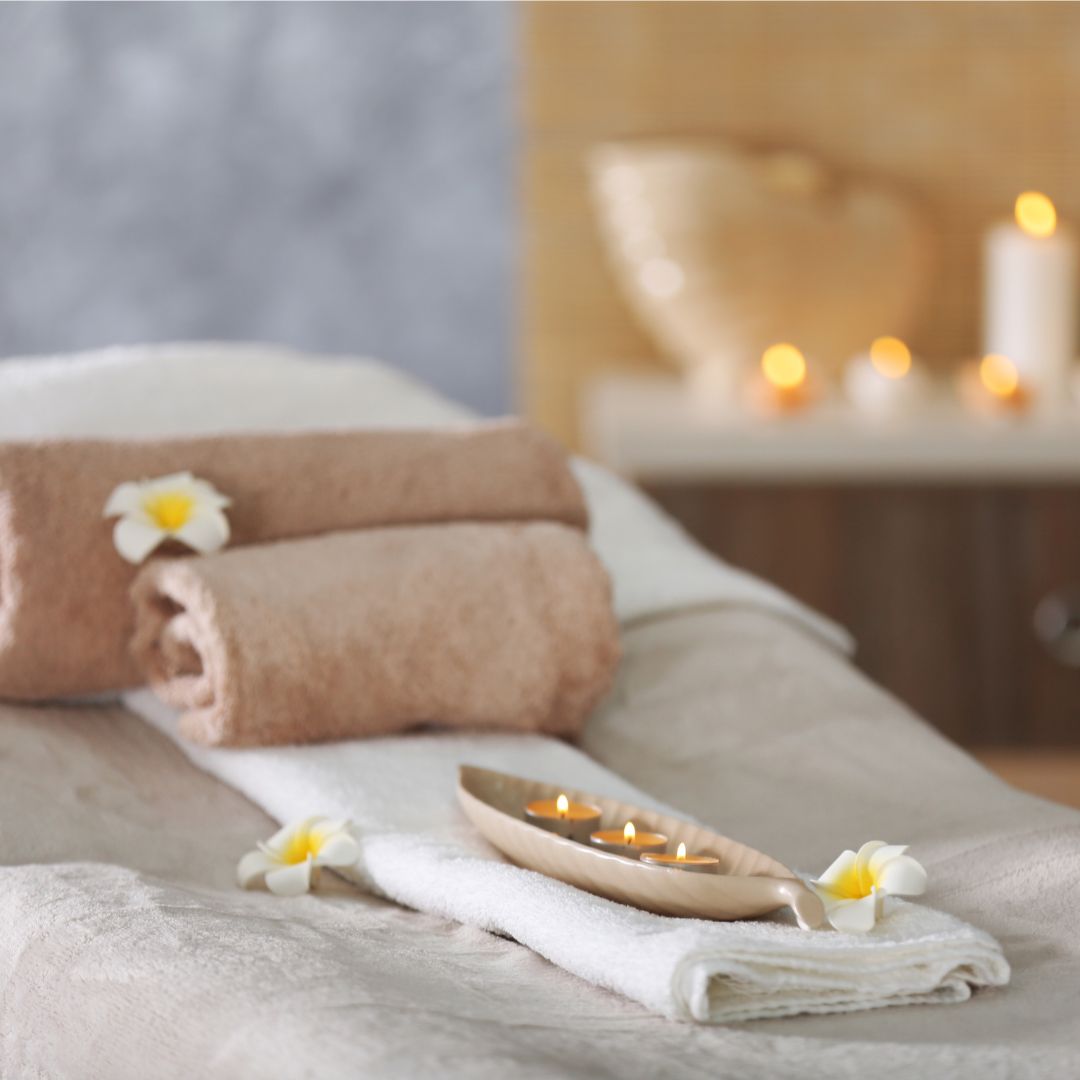
Aromatherapy has long been a core component of spa treatments. The right scent can trigger a sense of calm and enhance relaxation. Essential oils such as lavender, eucalyptus, and chamomile are known for their calming effects, while citrus scents like lemon and orange can uplift and refresh. Choose scents that align with the specific treatment or desired experience—lavender and rose for relaxation, sandalwood for grounding, or peppermint for invigoration.
The key is to create a scent experience that envelops the client throughout their time in the spa. This can be achieved through diffusers, scented candles, or oils used during massages or facials. Consider personalizing the scent experience based on individual preferences, allowing clients to choose their desired aroma from a curated menu.
4. Touch: The Heart of Spa Treatments
Touch is the most significant sense when it comes to relaxation in a spa setting. Whether it’s a therapeutic massage, a facial, or a body treatment, the sense of touch allows clients to release tension and connect with their body. To deepen the relaxation experience, it’s important to use high-quality products, such as luxurious oils, creams, and scrubs, which will nourish the skin and enhance the therapeutic effects.
Additionally, consider incorporating various textures into treatments—soft towels, heated stones, silk blankets, or cooling gels. The tactile experience should feel indulgent, soothing, and comforting, ensuring that every touch feels intentional and restorative.
5. Taste: Savoring Wellness
While taste is often overlooked in spa design, it can be a powerful tool for enhancing relaxation. Offering clients healthy, refreshing beverages, such as herbal teas, infused water, or fresh fruit juices, can not only hydrate but also support wellness goals. Herbal teas with calming properties—such as chamomile, lemon balm, or peppermint—can further deepen the sense of relaxation during or after a treatment.
A small tasting experience, like a fruit platter or a bite of chocolate, can also be a delightful sensory indulgence. Be mindful of presenting fresh, healthy options that promote well-being, making taste a supporting element of the overall wellness experience.
6. Creating Personalized Multi-Sensory Journeys
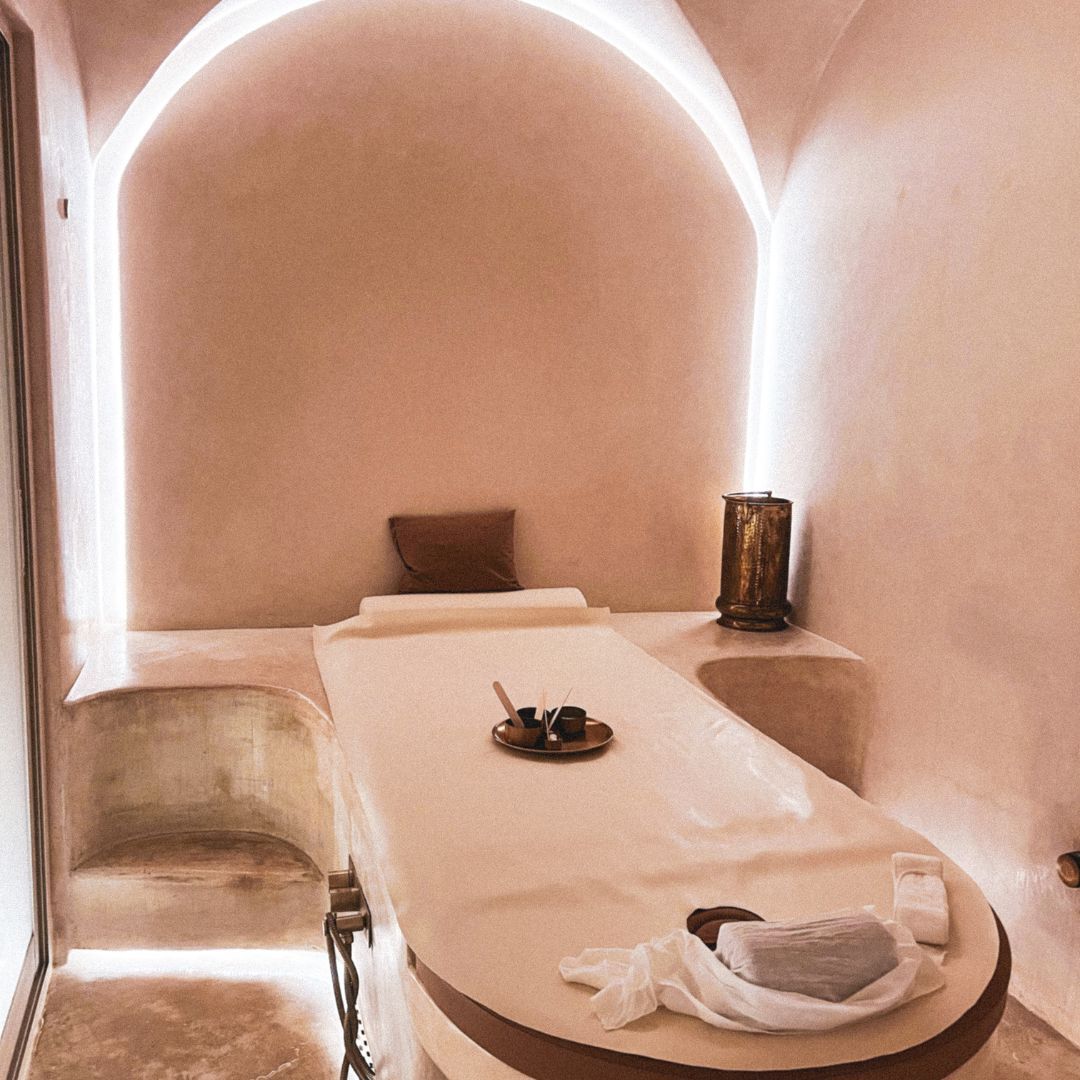
One of the most effective ways to design a deep, multi-sensory experience is by personalizing it for each client. Incorporating feedback from clients on their preferred scents, music, and treatment style can elevate the experience and make it more meaningful. A personalized spa experience makes clients feel valued, and it encourages them to return for future visits.
Customizable options, such as choosing music or adjusting room temperature, can make the spa experience even more immersive. Spa staff should be trained to listen and adapt to individual preferences, ensuring that every client feels uniquely cared for.
Conclusion
Designing a multi-sensory spa experience requires careful thought and attention to detail. By combining the senses of sight, sound, touch, scent, and taste, spas can create an atmosphere that not only promotes physical relaxation but also supports emotional and mental well-being. When these sensory elements are thoughtfully curated, they can provide a transformative experience that helps clients deeply relax, unwind, and reconnect with themselves. This holistic approach to spa design will not only enhance client satisfaction but also set your spa apart as a destination for true wellness and relaxation.