

Massage therapy has been practiced for thousands of years in various forms across cultures, offering physical and mental benefits that continue to be appreciated in modern society. In an increasingly fast-paced and stress-filled world, the need for relaxation and self-care is more significant than ever. Despite the advancements in technology and wellness treatments, massage therapy remains one of the most effective and timeless methods for improving overall health and well-being.
From soothing sore muscles to easing anxiety, the therapeutic experiences offered through massage are deeply personal and profoundly healing. But what is it about the simple act of touch that makes massage therapy so essential? Let's explore the science behind massage and why it has endured for so long.
1. The Physical Benefits of Massage
Massage therapy has a profound impact on the body’s muscles, tissues, and nervous system. The mechanical pressure applied during a massage helps to increase circulation, allowing for better blood flow and the delivery of oxygen and nutrients to cells. This improved circulation can assist in the removal of metabolic waste products, speeding up the healing process and reducing muscle soreness.
Moreover, massage is highly effective at alleviating tension in the muscles, which can build up from stress, poor posture, or repetitive movements. Regular massage therapy helps to release this tension, improving flexibility and reducing stiffness. This is especially beneficial for individuals dealing with chronic pain conditions such as office syndrome, fibromyalgia, or back pain.
2. Massage and Stress Relief
Stress is one of the leading causes of many modern-day health issues, from anxiety and depression to cardiovascular disease. The practice of massage therapy provides an effective way to combat stress. Studies have shown that massage can significantly reduce levels of cortisol, the body's primary stress hormone. As cortisol levels drop, relaxation responses are triggered, leading to a sense of calm and well-being.
The physical touch of massage also stimulates the release of endorphins, the body’s natural “feel-good” chemicals, which help reduce pain and elevate mood. This combination of reducing stress and promoting relaxation is one of the key reasons why massage therapy is so widely embraced as an essential wellness practice.

3. The Psychological Impact of Touch
Touch is one of the most fundamental forms of human connection. From birth, we rely on touch for emotional bonding, communication, and comfort. When a therapist’s hands apply pressure to the body, it triggers a sense of safety and comfort in the brain, encouraging the release of oxytocin—the hormone associated with feelings of happiness and bonding. This release of oxytocin helps to promote trust and relaxation, which can significantly reduce feelings of anxiety or depression.
Additionally, the act of receiving a massage creates a space for mindfulness. During the session, clients are encouraged to focus on their body’s sensations, which helps to alleviate mental clutter and bring awareness to the present moment. This practice of mindfulness has been proven to lower stress levels, improve sleep quality, and enhance overall mental well-being.
4. Massage and the Nervous System
One of the most profound effects of massage therapy is its impact on the nervous system. When pressure is applied to the skin and muscles, it activates mechanoreceptors that send signals to the brain, which then inhibits the transmission of pain signals. This is why massage is so effective in relieving pain and discomfort. The stimulation of these receptors also triggers the parasympathetic nervous system, also known as the “rest and digest” system, which counteracts the “fight or flight” response that is often associated with stress and anxiety.
The relaxation response initiated by massage helps to reduce blood pressure and heart rate, contributing to improved cardiovascular health. Over time, regular massage therapy can help the body’s autonomic nervous system achieve a balanced state, fostering a sense of peace and relaxation.
5. Boosting Immune Function
Massage therapy has been shown to enhance immune function, making it a valuable tool for promoting overall health. The act of massaging the body can increase lymphatic flow, which is responsible for removing toxins from the body and supporting immune function. Additionally, the reduction in stress and the increase in circulation can help the body fight off infections more effectively.
A strengthened immune system leads to better overall health, making massage therapy a valuable addition to any wellness routine. Whether used as a preventive measure or a method of supporting recovery, massage therapy can play a key role in maintaining a healthy body and mind.
6. The Timeless Appeal of Massage
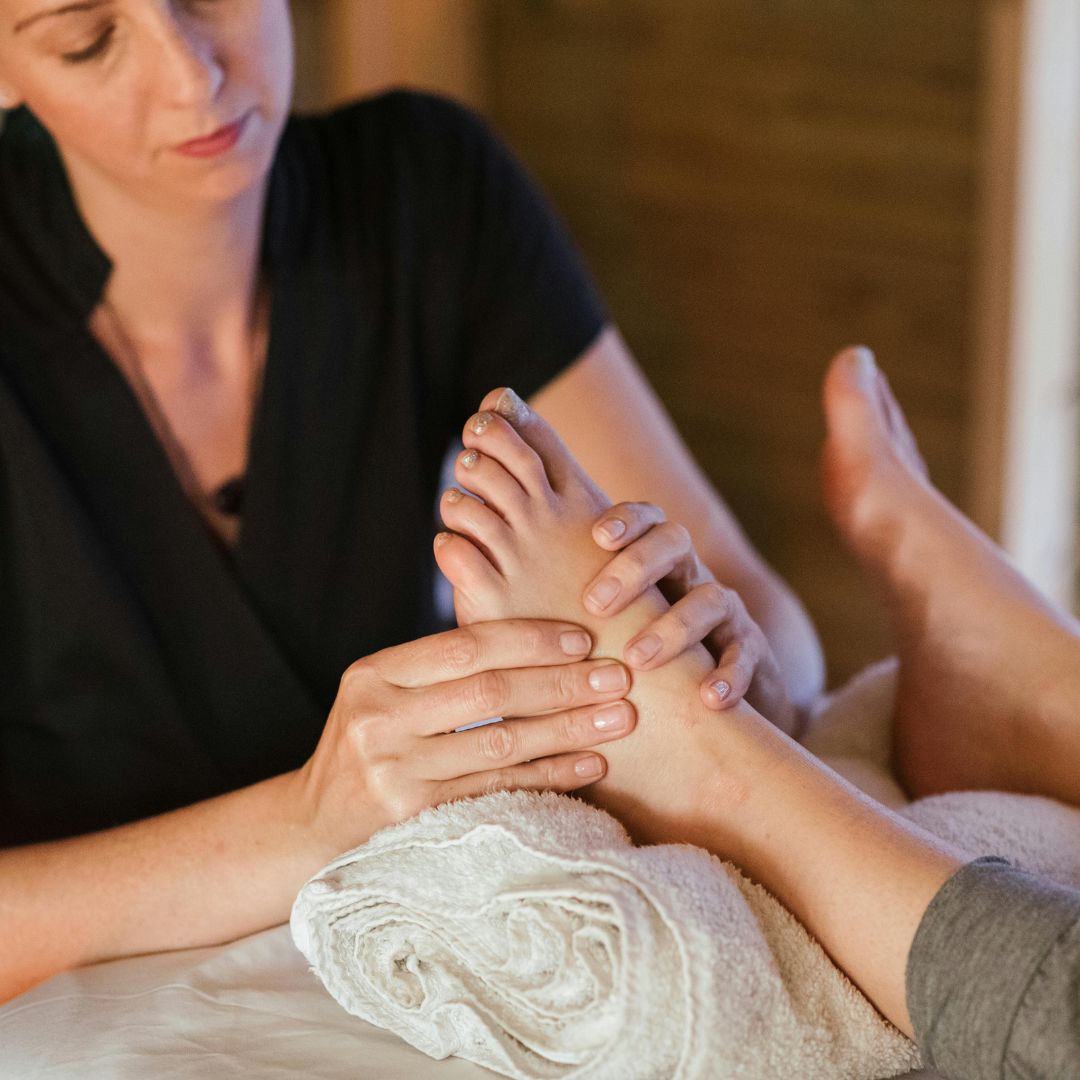
Massage therapy’s longevity as a wellness essential is due in part to its adaptability and broad appeal. From deep tissue massages aimed at relieving chronic pain to more relaxing Swedish massages focused on stress relief, there is a massage style for everyone. Whether performed in a luxurious spa or a simple home setting, massage can be tailored to meet individual needs and preferences.
In an era where self-care and mental health are becoming central to overall wellness, massage therapy offers a simple yet effective way to take care of oneself. As we continue to prioritize both physical and mental health, the timelessness of massage therapy will ensure that it remains a vital part of our wellness routines for years to come.