
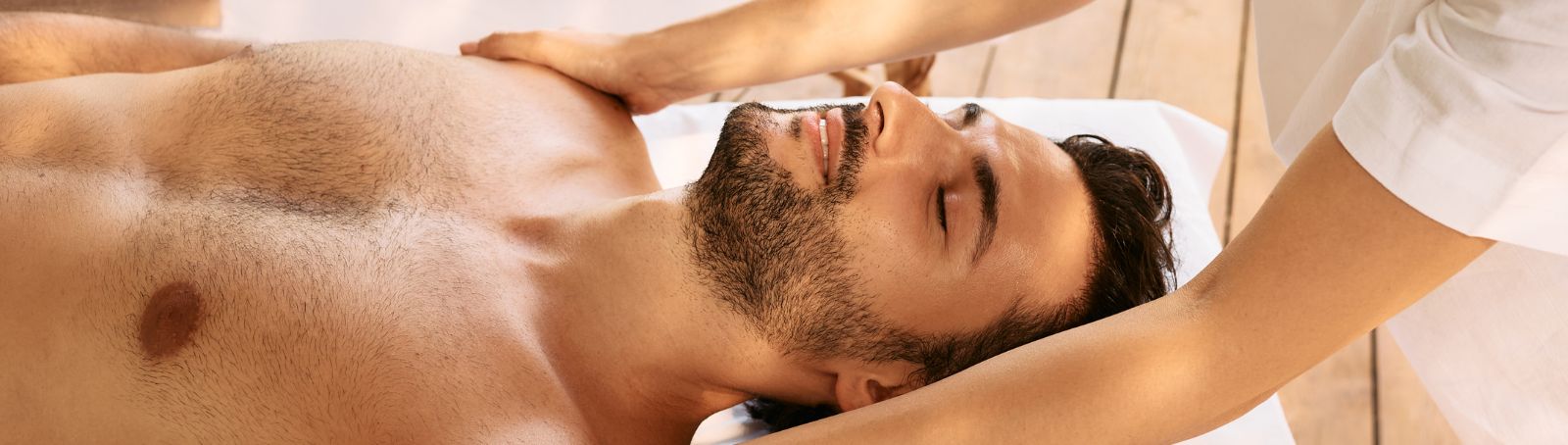
In recent years, there has been a noticeable shift in the wellness industry, with more men seeking spa treatments. Traditionally, spas have been seen as spaces primarily for women, but today’s men are increasingly prioritizing self-care, relaxation, and overall well-being. As societal perceptions around masculinity evolve and the focus on mental health grows, the demand for men’s spa treatments is expanding. For business owners in the spa industry, this is a golden opportunity to tap into an underexplored and profitable market. Here’s a look at the growing demand for men’s spa treatments and how to take advantage of these trends.
1. Changing Perceptions of Masculinity
One of the main drivers behind the rise in demand for men's spa treatments is the changing perception of masculinity. In the past, grooming and self-care were often seen as “feminine” activities. However, as ideas about masculinity evolve, men are embracing grooming, skincare, and wellness rituals that were once deemed exclusively for women. Today, it’s not unusual for men to have regular facial treatments, massages, and other spa services as part of their personal care routine.
2. Rising Awareness of Self-Care and Wellness
The focus on mental health and well-being has been growing in recent years, and men are becoming more aware of the benefits of self-care. A busy, stressful lifestyle, work pressures, and increasing screen time are all contributing factors to the need for relaxation and stress relief. Many men are turning to spas to relieve tension, reduce stress, and take time out from their hectic schedules. As awareness of the importance of mental health continues to increase, the demand for wellness treatments, such as massages, facials, and relaxation therapies, is likely to rise as well.
3. Tailored Services for Men
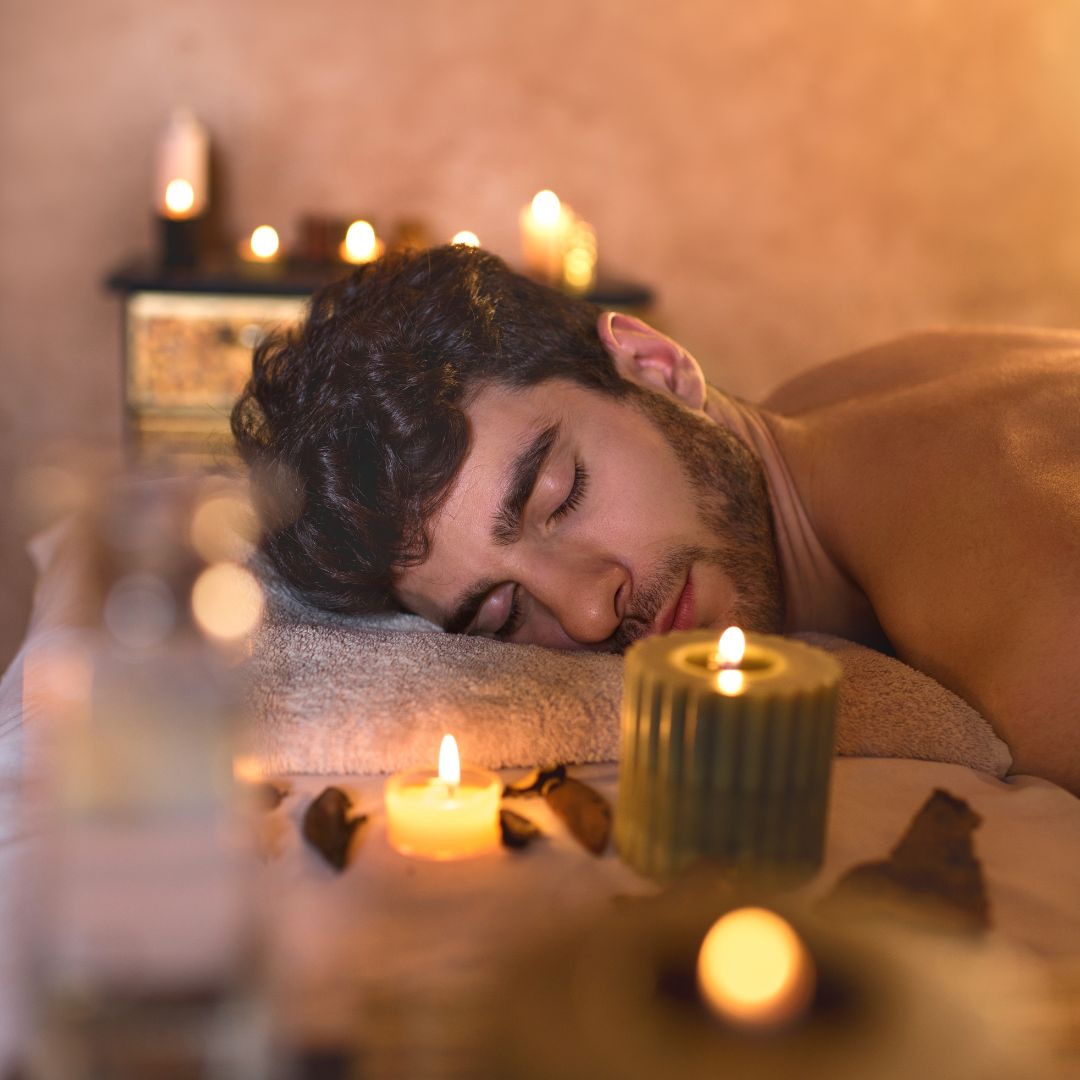
To appeal to the growing market of male clients, spas need to offer services that are specifically designed with men in mind. Men’s skin, for example, is typically thicker and produces more oil than women’s, so facials and skincare treatments should be customized to address these differences. Services like deep tissue massages, sports massages, and grooming services (such as beard trims or waxing) also tend to appeal more to male customers.
Spas that tailor their offerings to meet the needs of men will stand out in this expanding market. Offering male-focused packages or treatments with names and aesthetics that appeal to men can also help in attracting this demographic. For example, a "Gentleman’s Facial" or "Relaxation for Him" can make the experience feel more accessible and less intimidating to men who may be unfamiliar with spa culture.
4. Promoting Convenience and Accessibility
Men’s busy lifestyles also mean that they value convenience and accessibility. To capture their attention, spas should ensure that they offer flexible hours, such as evening or weekend appointments, to fit into their schedules. Online booking systems that allow clients to easily book and manage appointments are also crucial. Moreover, promoting services that can be done quickly, like express facials or a quick massage, can be an attractive option for men who are looking for efficiency in their spa experience.
5. Marketing to Men Effectively
Marketing to men requires a different approach than traditional spa marketing. Men tend to respond more to messages that focus on performance, results, and efficiency. Instead of the typical relaxation-focused spa advertisements, it might be more effective to highlight the benefits of the treatments—like improving skin health, relieving stress, or boosting overall energy levels.
Additionally, using social media platforms like Instagram, Facebook, and LinkedIn, where professional men spend their time, can be an effective way to reach this audience. Collaborating with influencers or male personalities who promote wellness and self-care can also help to normalize spa treatments for men and attract a broader clientele.
6. Creating a Comfortable, Inclusive Environment
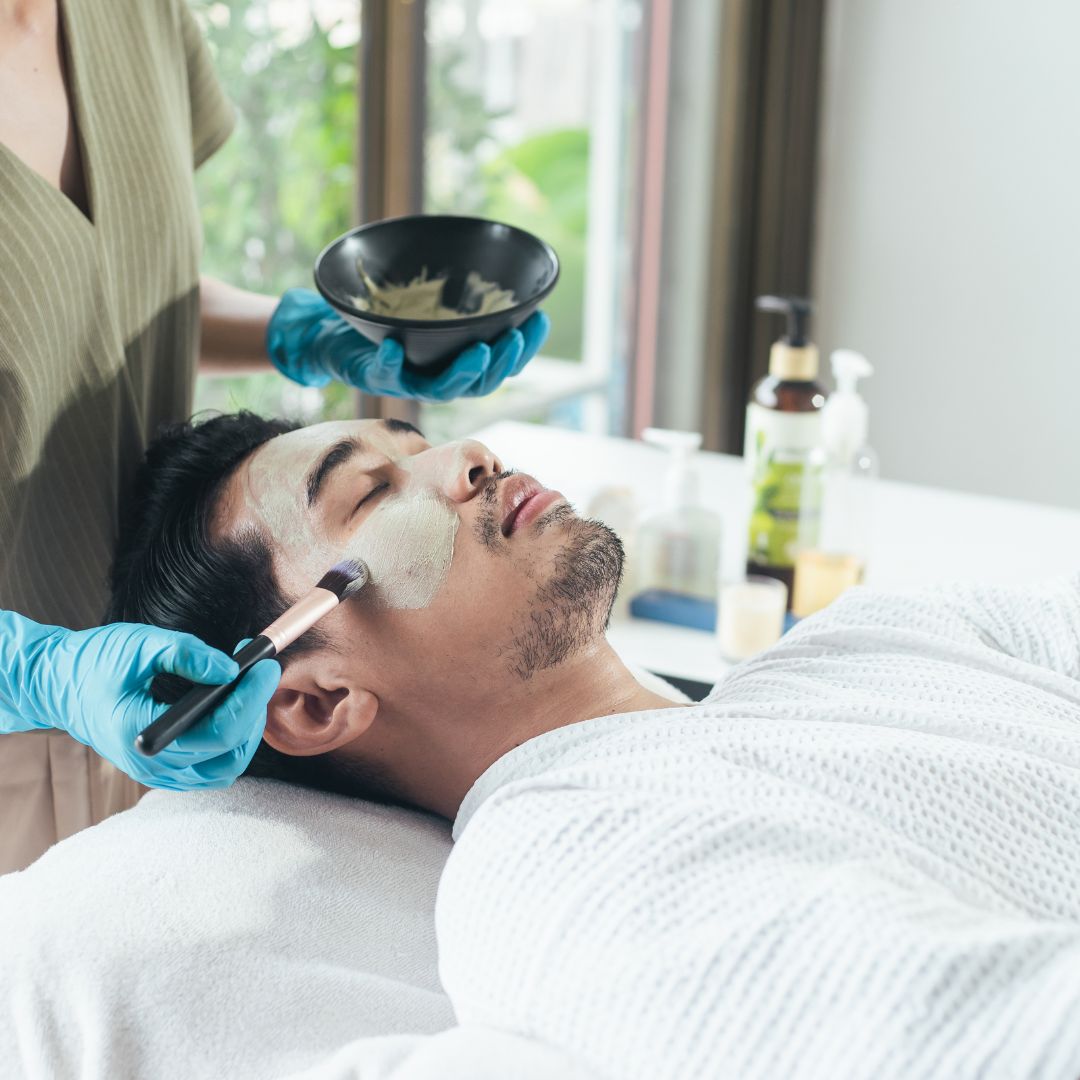
The environment of the spa is also important in appealing to male clients. Some men might feel uncomfortable in traditionally feminine settings, so creating a more neutral or masculine atmosphere can help make them feel at ease. This includes offering private treatment rooms, subtle and neutral decor, and amenities that appeal to male clients, such as refreshments like coffee or whiskey, or even reading material like sports magazines.
Conclusion
The growing demand for men’s spa treatments presents an exciting opportunity for spa businesses to tap into a market that is quickly gaining momentum. By tailoring treatments to meet the needs of men, promoting convenience, and using targeted marketing strategies, spas can attract and retain male clients. As attitudes toward masculinity continue to evolve and men increasingly prioritize self-care, spas that embrace this shift will be well-positioned for success in the future.